
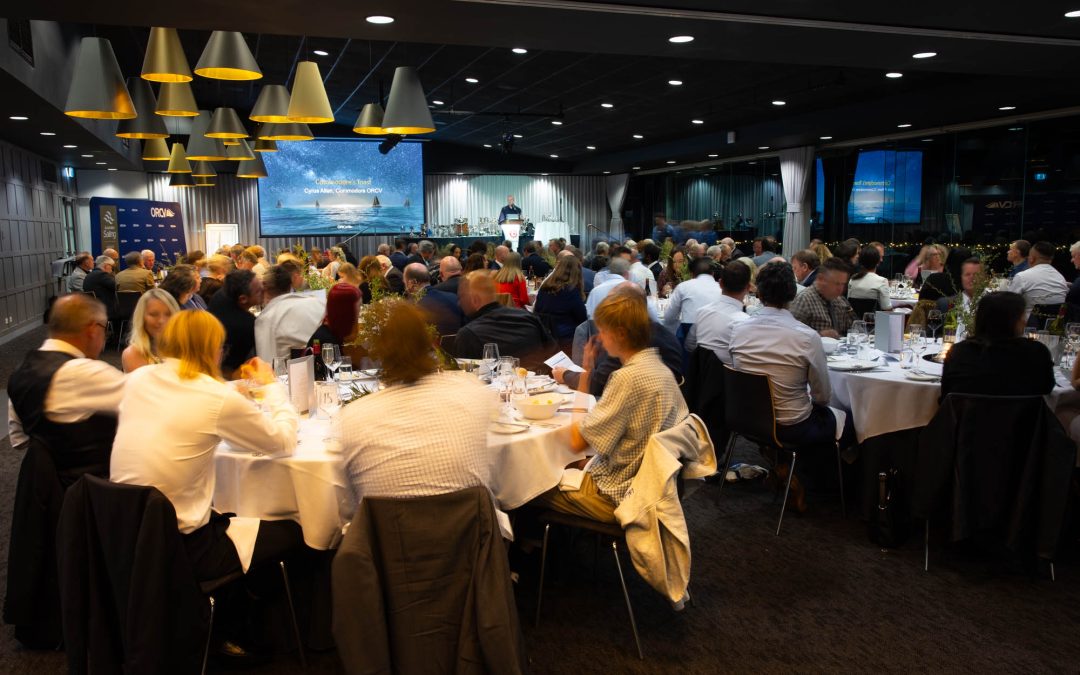
Stories from the 2026 ORCV Awards
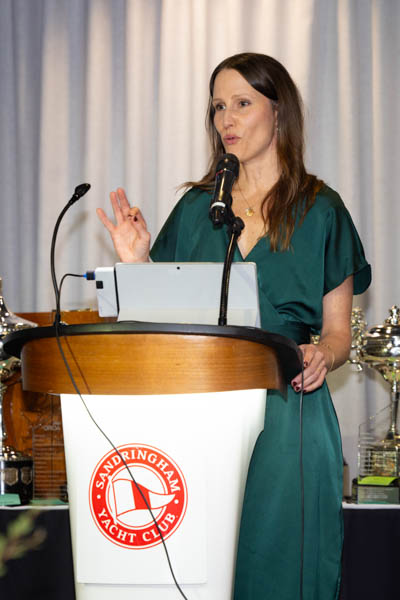
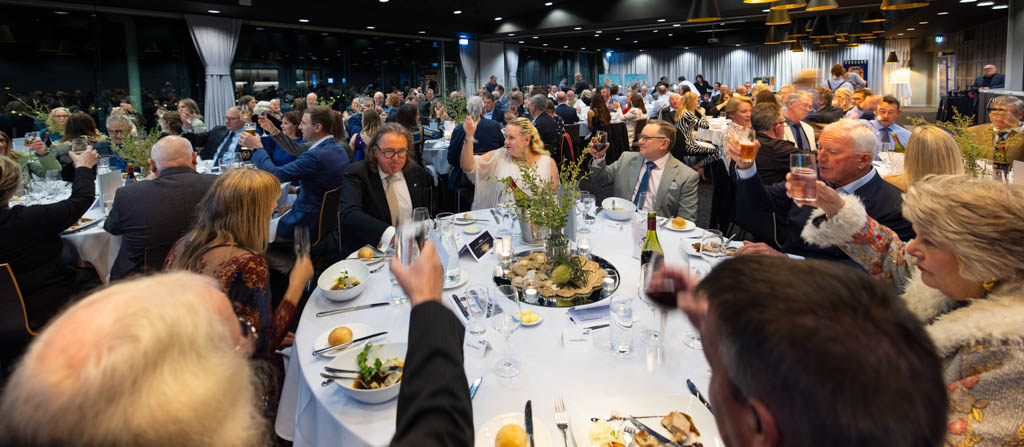
Held at the Sandringham Yacht Club, with MC Jolene George, the 2026 awards night was a celebration of a massive ocean racing season. But more than that, looking back at the honour rolls, it was a reminder that ocean racing in Victoria is a continuous thread. The major racing championships highlighted how competitive the Victorian fleet has become, with established champions sharing space with fresh campaigns. The season runs across three core championships: the Offshore Championship, built from the long passages to Devonport, Hobart, King Island and Port Fairy; the Coastal Championship, contested over the three Coastal Sprints and the Apollo Bay race; and the Double-Handed Offshore Championship, which folds both coastal and offshore results together for boats racing short-handed. Together they chart a season that asks as much of a crew’s endurance as it does their tactics.
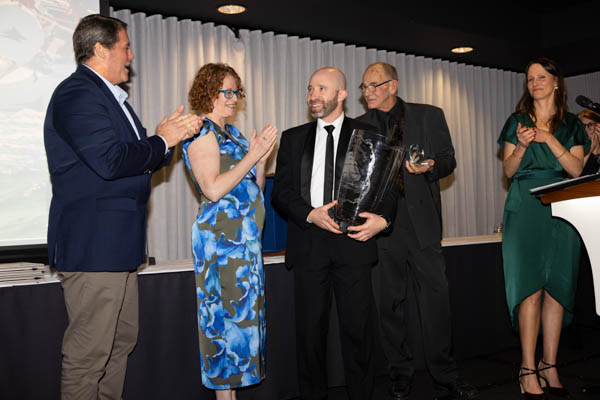
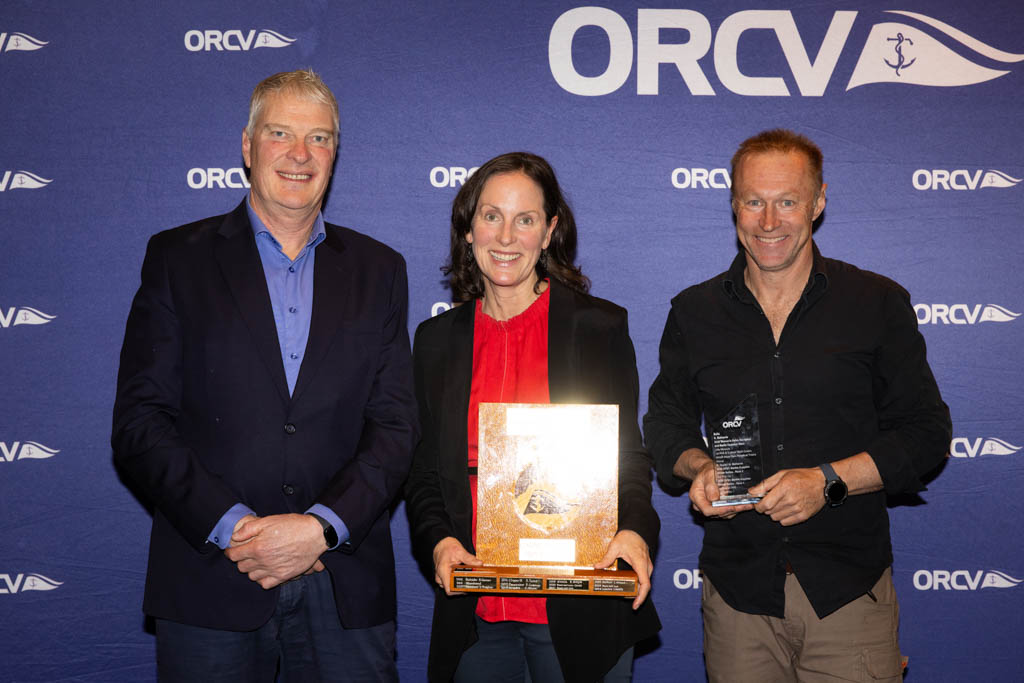
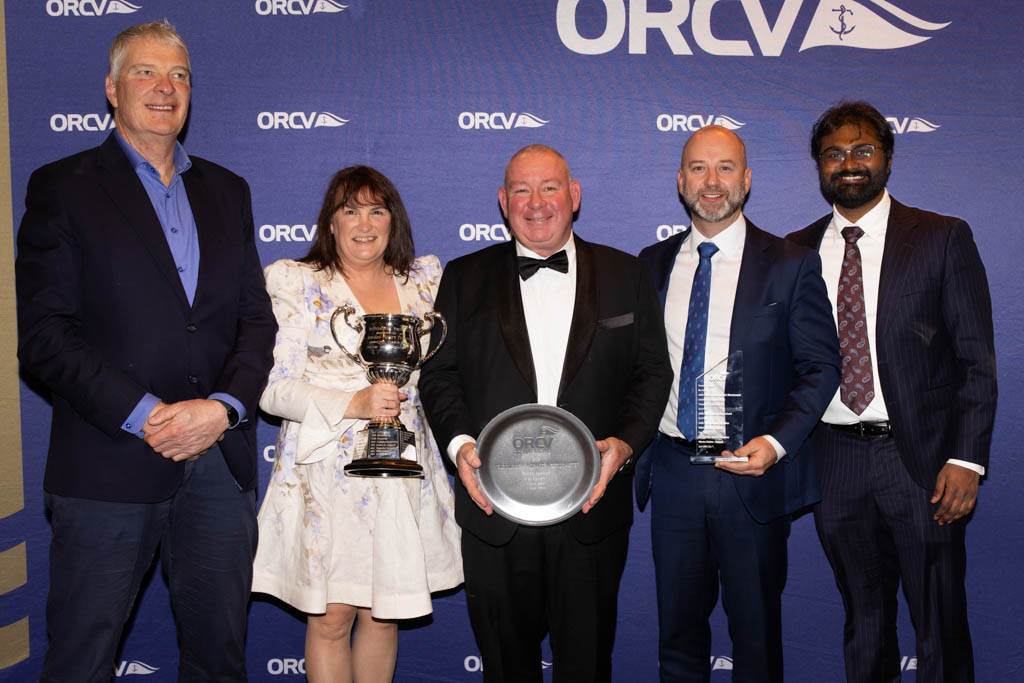
Taking the Offshore Championship title requires masterful navigation across the Bass Strait calendar. Matt Setton joins a pedigree list of past champions including Rob Date’s Scarlet Runner and Justin Brenan’s legendary Alien. It crowns a remarkable season at the helm of The Jackal, having led the fleet from start to finish in the Melbourne to Hobart Westcoaster to claim line honours and the Rookie Skipper award in his first outing as skipper of the race — a campaign that’s now etched into the club’s history.
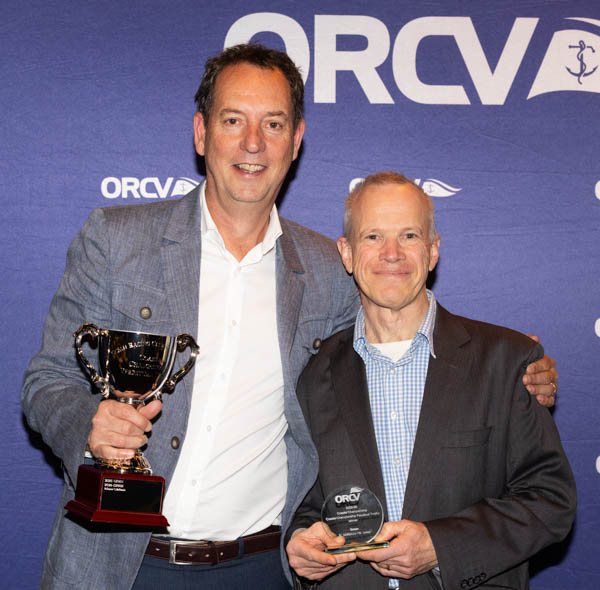
Coastal Champion — Cam McKenzie & Nigel Jones: Ginan continues to be the benchmark for consistency on the coastal sprint circuit. Cam McKenzie and Nigel Jones have sailed together since 1990, when a 21-year-old McKenzie joined Jones for his first offshore race — a partnership that’s since spanned ten Sydney to Hobarts before the pair bought their J/111, Ginan, together. This latest Coastal Championship title adds to a run of consecutive wins on the Victorian coastline, cementing their tactical chokehold on the circuit and a friendship built over more than three decades on the water.

The emotional core of the ORCV has always been its people—the ones who handle the brutal winter deliveries, the midnight radio sked watches, and the structural backbone of the club.
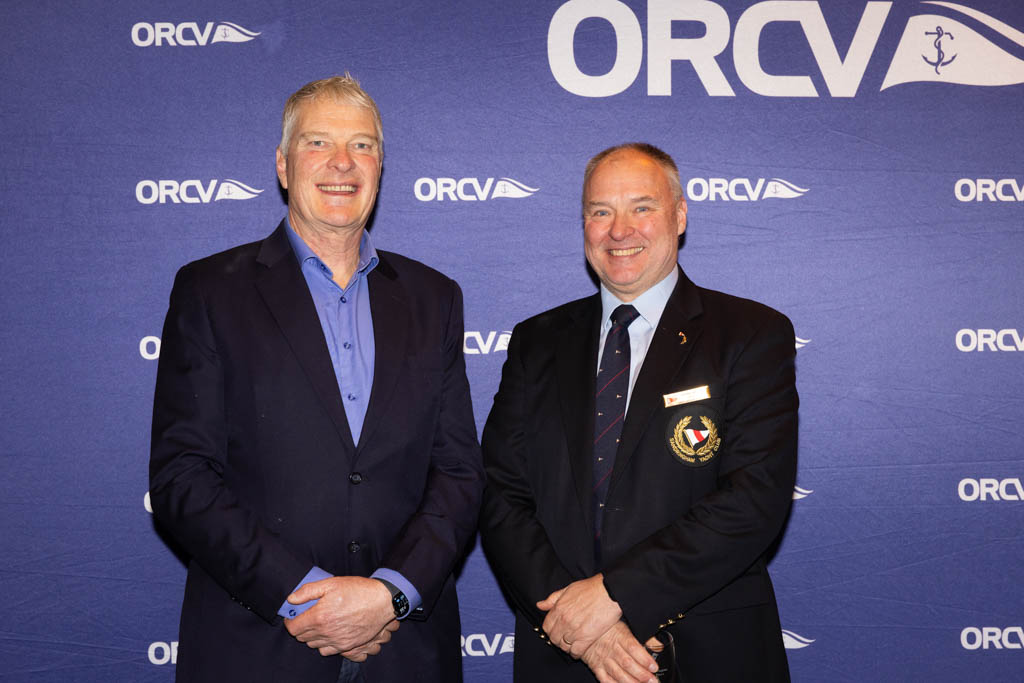
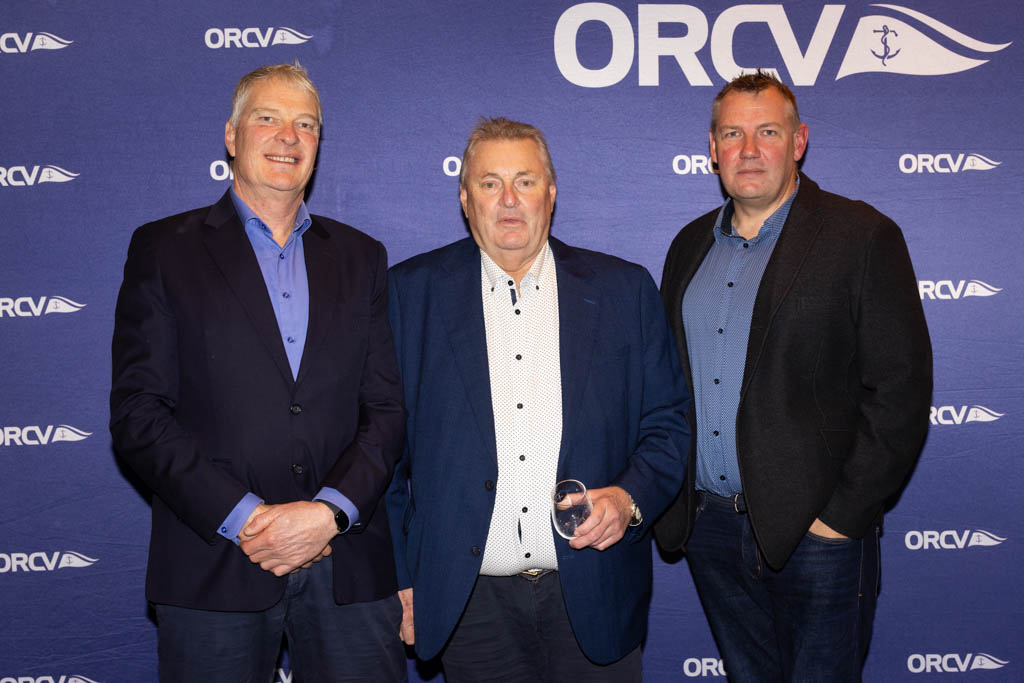
Ocean Racer of the Year — Nigel Jones
Nigel Jones’s recognition adds his name to a permanent lineage of Victorian offshore legends, following recent winners like Cameron McKenzie (2025), Damien King (2024), and Paul Buchholz (2023). It’s an award that honors preparation, resilience, and years of commitment to the blue water.

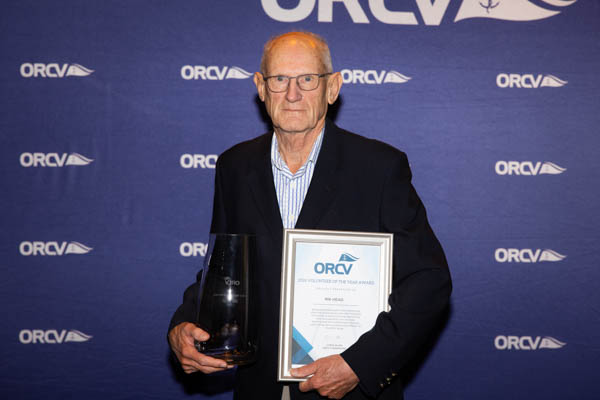
Volunteer of the Year — Rik Head: A brilliant full-circle moment for the club. Rik Head was named Ocean Racer of the Year back in 2013; over a decade later, his tireless work behind the scenes earned him Volunteer of the Year, joining crucial club contributors like Neville Rose and Delma Dunoon. For years Rik has served as the club’s Incident Management Lead, the steady hand behind race-day safety, monitoring and supporting fleets through everything from Bass Strait crossings to coastal sprints. As fellow honouree Rosie Colahan put it, having worked alongside him since 2008, Rik has built “a legacy of great systems” in the emergency rescue space — the kind of quiet, expert groundwork that keeps the whole club sailing safely.

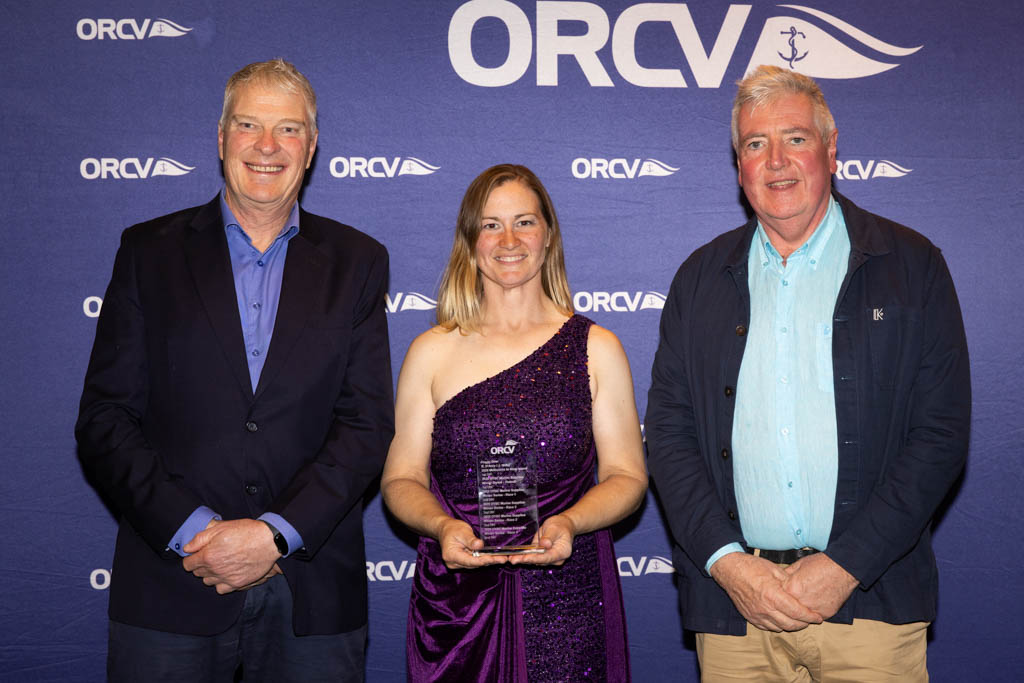
Ocean racing doesn’t happen without rock-solid crew dynamics. Glenda’s award underscores the quiet expertise required to keep a boat moving fast and safely when the weather turns foul. She’s a regular aboard Faster Forward, the RYCV-campaigned Sydney 38, having sailed the boat through everything from local club racing to the demanding 435 nautical mile Melbourne to Hobart Westcoaster — the kind of consistent, dependable presence that crews like this are built on.
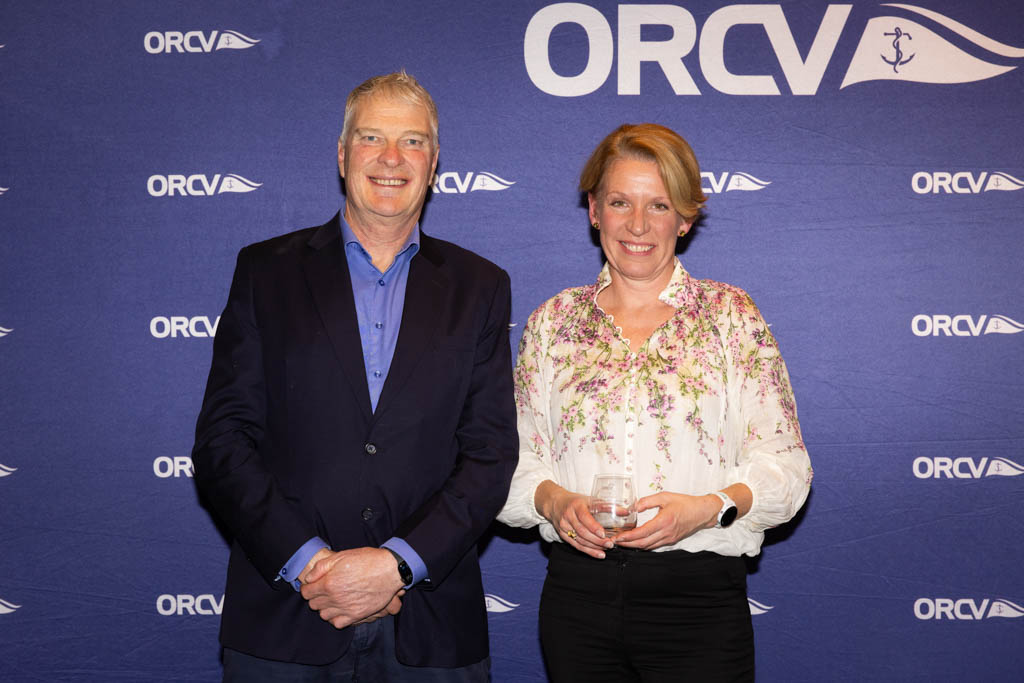
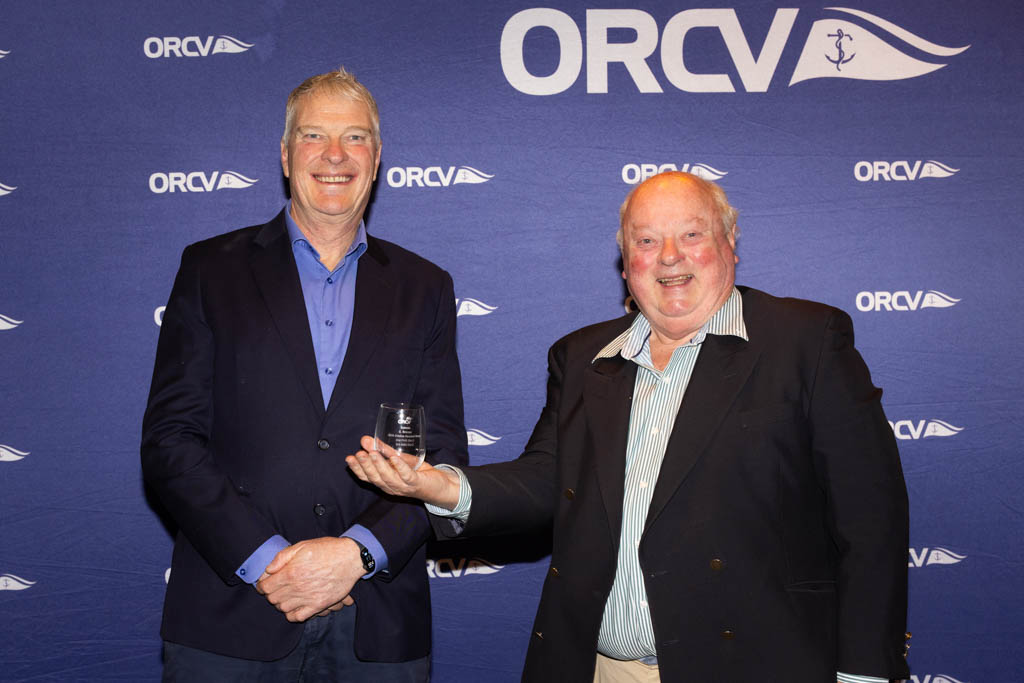

The future of the sport looks incredibly bright, with Shashi stepping into a legacy of exceptional young offshore talent, following in the footsteps of recent trailblazers like Clare Olding. Shashi has spent the past year getting more involved in the sport, including time aboard Faster Forward, the RYCV-campaigned Sydney 38, building the kind of hands-on offshore experience that’s shaping the next generation of sailors coming through the club.

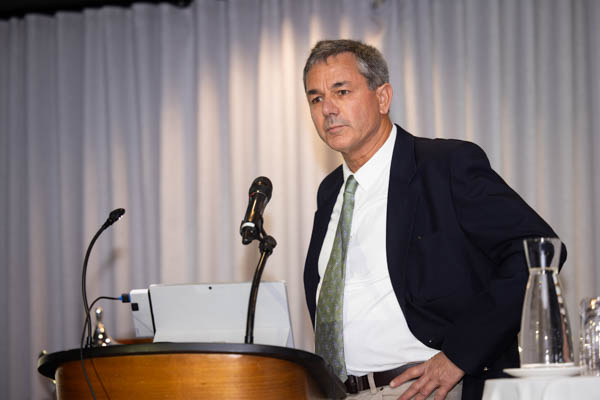
Guest speaker Richard Grant, a member of Hobart’s Bellerive Yacht Club, brought the room to life with stories from the Melbourne to Osaka Cup — a gruelling 5,500 nautical mile double-handed race that ranks among the most demanding ocean crossings in the sport, often likened to tackling several Sydney to Hobarts back-to-back. Richard completed the 2025 race aboard his Knoop 39 yacht Magellan, sailing alongside his daughter Megan as part of one of the event’s standout father-daughter teams. His account of 37 days at sea — battling the doldrums, navigating equipment failures, and crossing the Kuroshio Current into the congested waters of Osaka Bay — gave the audience a vivid sense of what it takes to sail across seven of the world’s weather systems in a single race. It was a fitting reminder that the miles logged at sea, however abstract they may seem from land, forge a very real and lasting community among those who sail them.

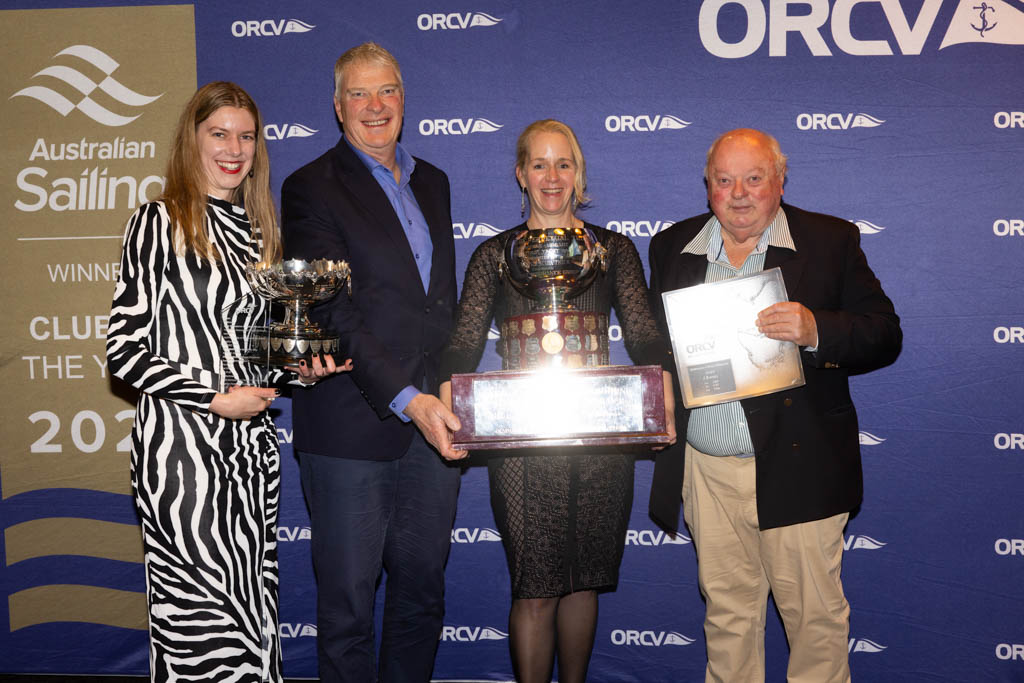
Guest speaker Shevaun Bruland, President of Australian Sailing and the first woman to hold the role, brought a national perspective to the evening. Bruland’s path to the presidency includes two years as Vice President, five years on the board of Yachting South Australia (three as President), and ongoing roles with World Sailing’s Equipment Committee and Safety Commission. But her credibility on the night came as much from the water as the boardroom — an offshore and one-design sailor for decades, she’s also taken up kitefoil racing in recent years, the kind of restless curiosity that seems to define many of the sport’s most committed advocates. Her remarks tied together the personal and the institutional: the countless miles logged by sailors across the country, and the work still being done to grow the sport for the next generation. It was a reminder that behind every club trophy and every long ocean crossing sits a broader community effort to keep sailing accessible, safe, and thriving.


Blogs

Airlie Beach Race Week 2025
Airlie Beach Race Week tested sail handling, coordination, and timing across long island legs. On Y Knot, managing the bow meant staying ahead of multiple sail changes under shifting trade-wind breezes. The combination of fast offshore conditions, complex courses, and a skilled crew made it an intense and rewarding experience.

Magnetic Island Race Week 2025
YKnot’s performance demanded anticipation, precise sail transitions, and constant awareness on the bow. The warm waters, trade winds, and tight fleet kept everyone alert, while the relaxed island atmosphere ashore highlighted why offshore racing is as much about people and experience as it is speed.

Cartouche
Cartouche – Beneteau First 50 (RBYC)
I’ve sailed regularly aboard Cartouche, a Beneteau First 50 owned by Steven Fahey, across club racing, ORCV events and major regattas. Racing within a family-run team sharpened my big-boat awareness and offshore readiness, while reinforcing consistency, preparation and calm decision-making across varied conditions.

Scarlet Runner
Delivering Scarlet Runner back to Melbourne with owner and skipper Rob Date after the Melbourne–Hobart Westcoaster was a masterclass in offshore seamanship. A demanding Bass Strait crossing shifted the focus from racing to judgement, restraint, and boat care, highlighting the balance between performance and protection that defines successful offshore sailing.

Australian Yachting Championships (IRC)
Racing on Tenacity in the 2025 Australian Yachting Championships tested precision and teamwork on Hobart’s Derwent. Handling halyards and sail changes as mast person, I experienced the split-second decision-making, calm control, and clear communication required to keep a high-performance Mills 41 moving efficiently through shifting river breezes.

Melbourne to Hobart Westcoaster
Sailing down the coast on Rushour during the Melbourne to Hobart Westcoaster was a masterclass in offshore performance. Heavy Bass Strait and Southern Ocean conditions tested endurance, decision-making, and watch management, while the multihull’s record-breaking pace reinforced the importance of disciplined boat handling, smart routing, and protecting both crew and craft over a long, exposed passage.

Belle – IY60
Racing offshore on Belle, a 60-foot IY60, was a high-intensity test of big-boat handling. Loads, sail changes, and manoeuvres demanded precision, anticipation, and clear communication. The ORCV Coastal Sprint format sharpened situational awareness, adaptability, and crew coordination, giving valuable experience in managing a large offshore yacht under pressure while maintaining speed and control.
QuiXotic
QuiXotic is a well-sailed X-41, but what stands out most is the crew. Andrew Middleton and the team create a positive, easygoing environment on board, focused on enjoying the racing and sailing well together. It’s a boat where good company and good sailing go hand in hand.
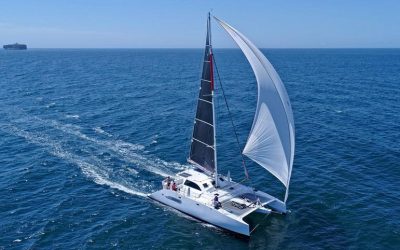
Rushour
On Rushour, I completed the 430nm Southport to Sydney qualifying passage, involved in all aspects of high-performance multihull sailing. From helming in varied conditions to managing asymmetric spinnaker trim and watch rotations, this experience built the discipline and confidence I carried directly into the Melbourne to Hobart Westcoaster.
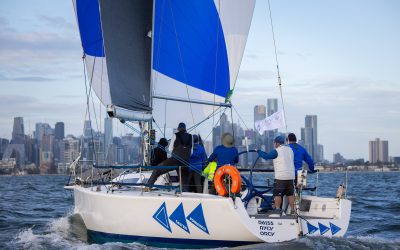
Fast Forward – Sydney 38
Faster Forward isn’t just a respected Sydney 38; for me, it represents the heart of sailing culture. After the Melbourne to Hobart, I was adopted into this tight-knit team, learning that success is built as much through shared dinners and crew camaraderie as it is through miles on the water.
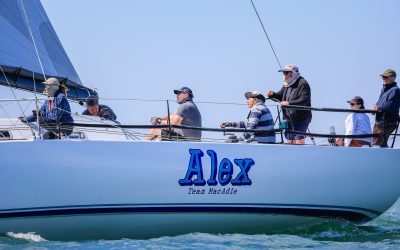
Alex Team Macadie
Alex is a boat with a massive reputation, especially for its legendary double-handed feats. Racing with Jock MacAdie provided a firsthand look at how this Hart 14 has stayed competitive for decades. It’s a platform built on grit and offshore history, where the focus is always on high standards and coastal discipline.
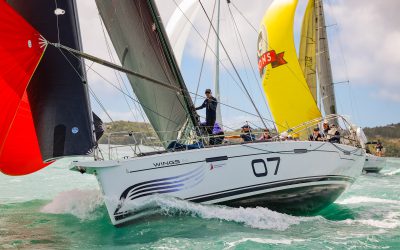
Wings
The 1,100nm delivery of Wings from Hamilton Island to Sydney was a lesson in persistence. Most of the trip was spent punched into 18 to 25-knot headwinds and heavy seas. It was a great chance to get some serious hours on the helm at night and see how offshore routing actually works in the real world.