
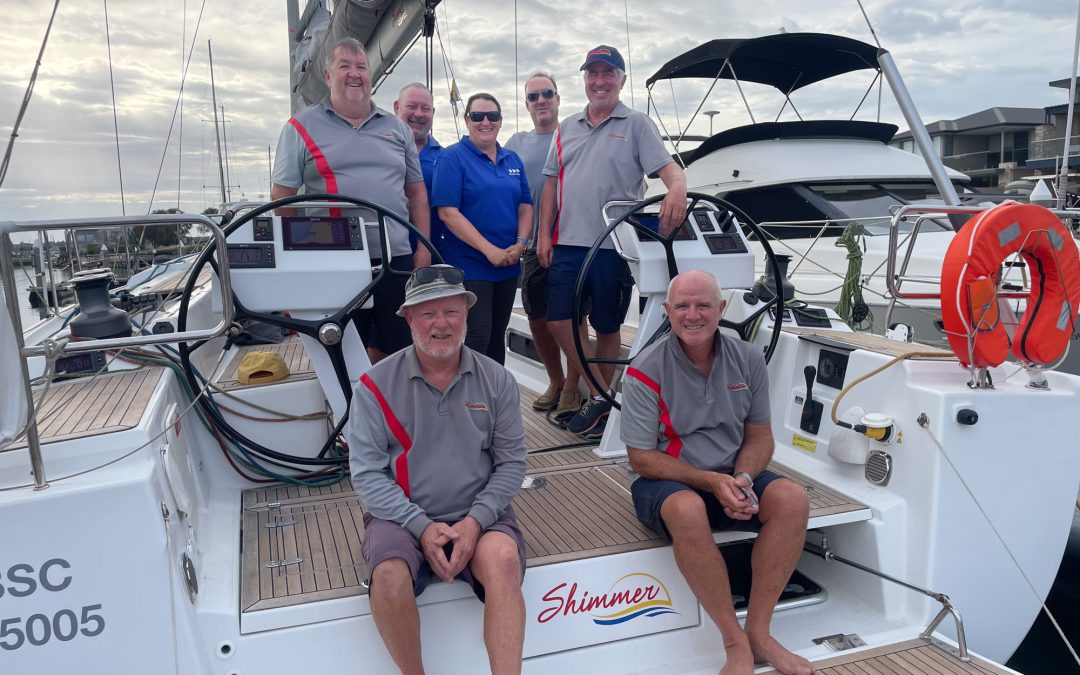
Hanse 505 – Shimmer
Skipper: Steve Twentyman
Safety Beach Sailing Club (SBSC)
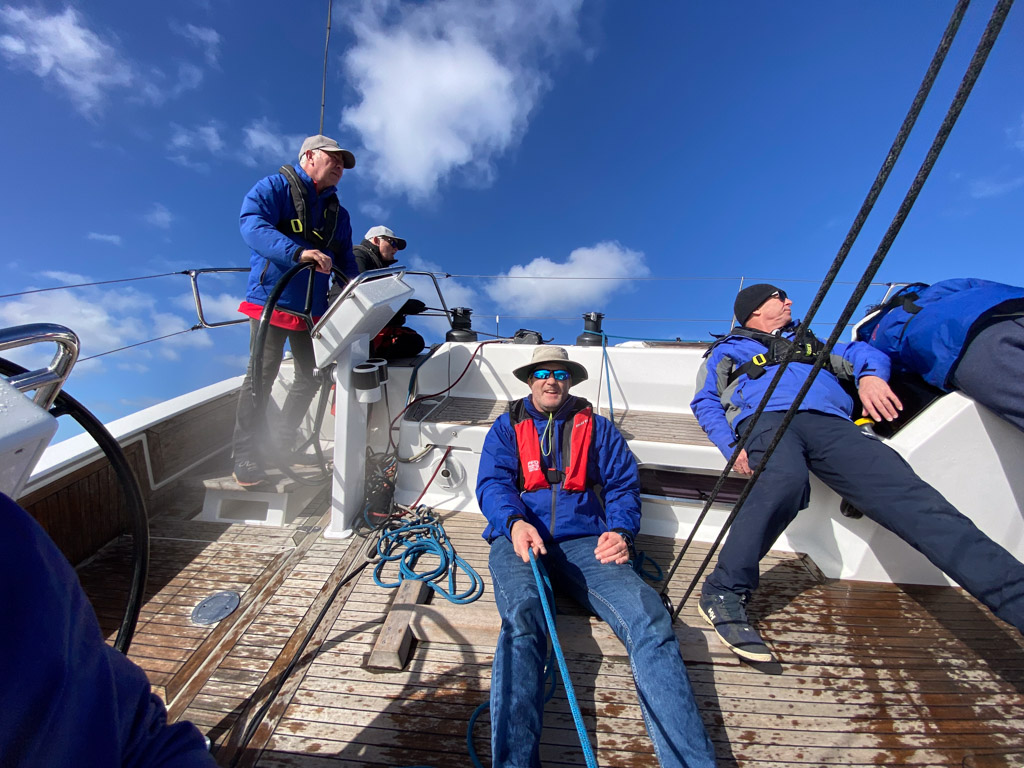
Shimmer is one of the yachts I sail on most regularly, and over time she’s become a familiar and trusted platform. Sailing out of Safety Beach Sailing Club, much of our time together has been spent in the rhythm of Friday twilight races and Sunday club racing, building consistency, teamwork and a deep understanding of how the boat likes to be sailed across all conditions.
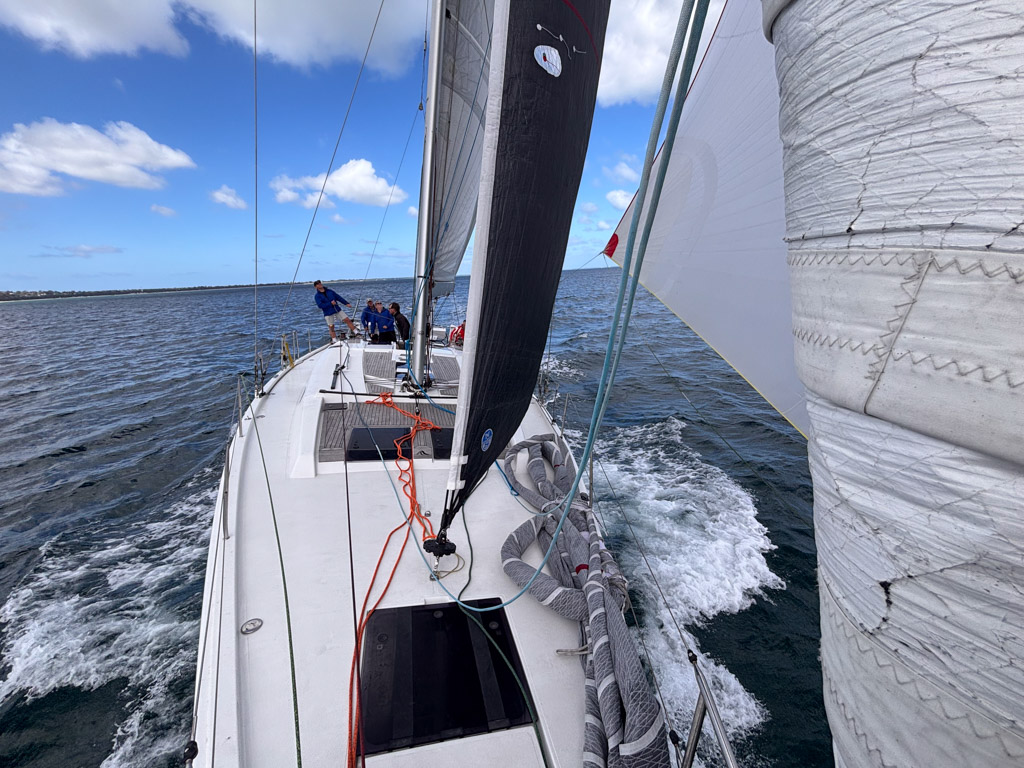
Beyond club racing, Shimmer is an active and well-prepared ORCV campaigner, regularly lining up for offshore and coastal races. The boat is exceptionally well kept and thoughtfully set up, with a strong sail inventory that includes a J0, Code 0 and multiple asymmetric spinnakers, allowing us to stay competitive across a wide range of angles and conditions. That versatility really shows offshore, where sail selection, preparation and timing make a meaningful difference over long legs.
Across the past couple of seasons I’ve raced Shimmer in events including the Apollo Bay Ocean Race, Melbourne to King Island, Melbourne to Devonport, ORCV Coastal Sprints, and longer coastal returns and deliveries back to Safety Beach. These passages have added up to a lot of miles together — racing, delivering, and problem-solving — and have given me exposure to multiple roles on board, from bow and mast work to trimming and helming, depending on the demands of the race or delivery.
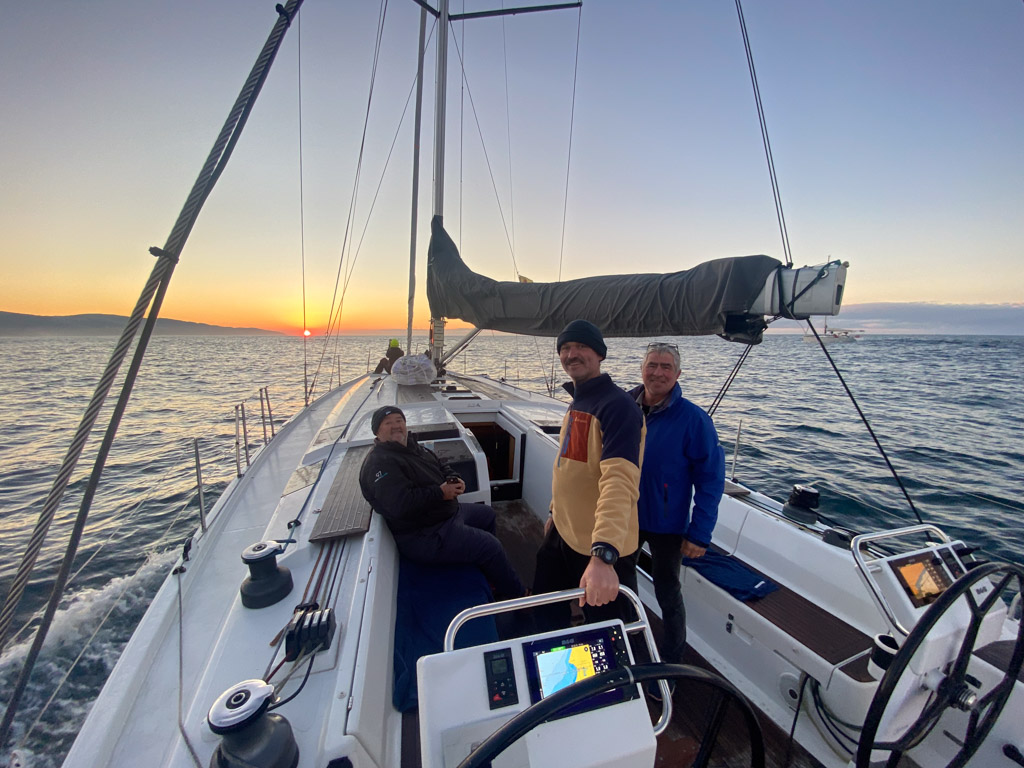
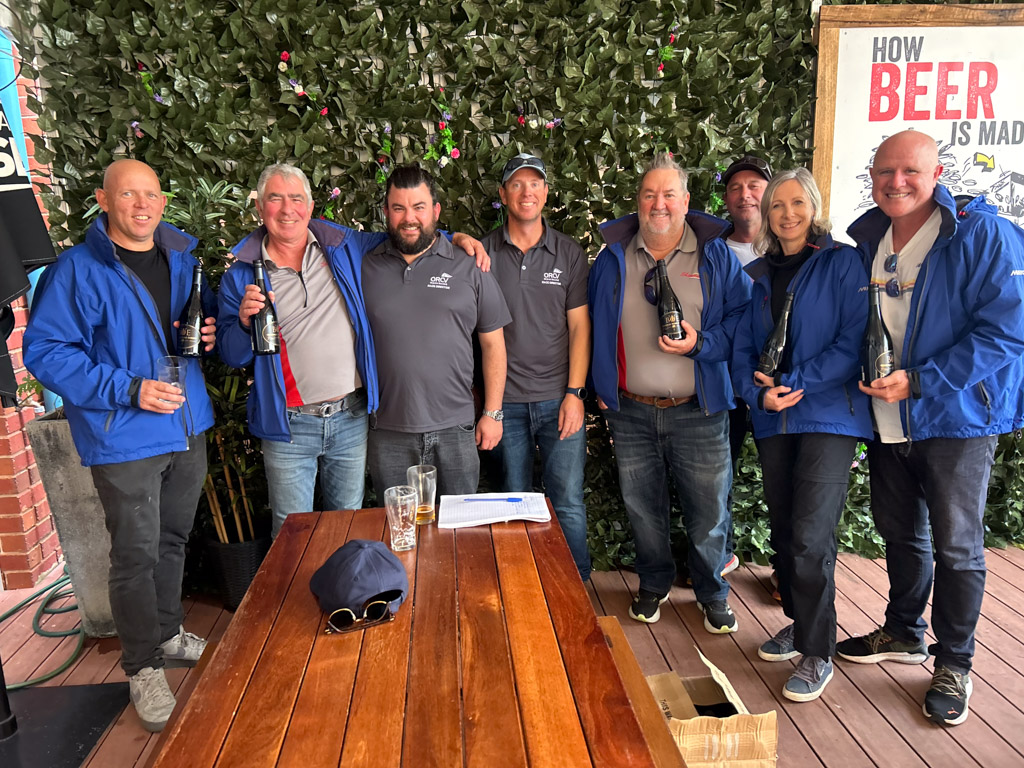
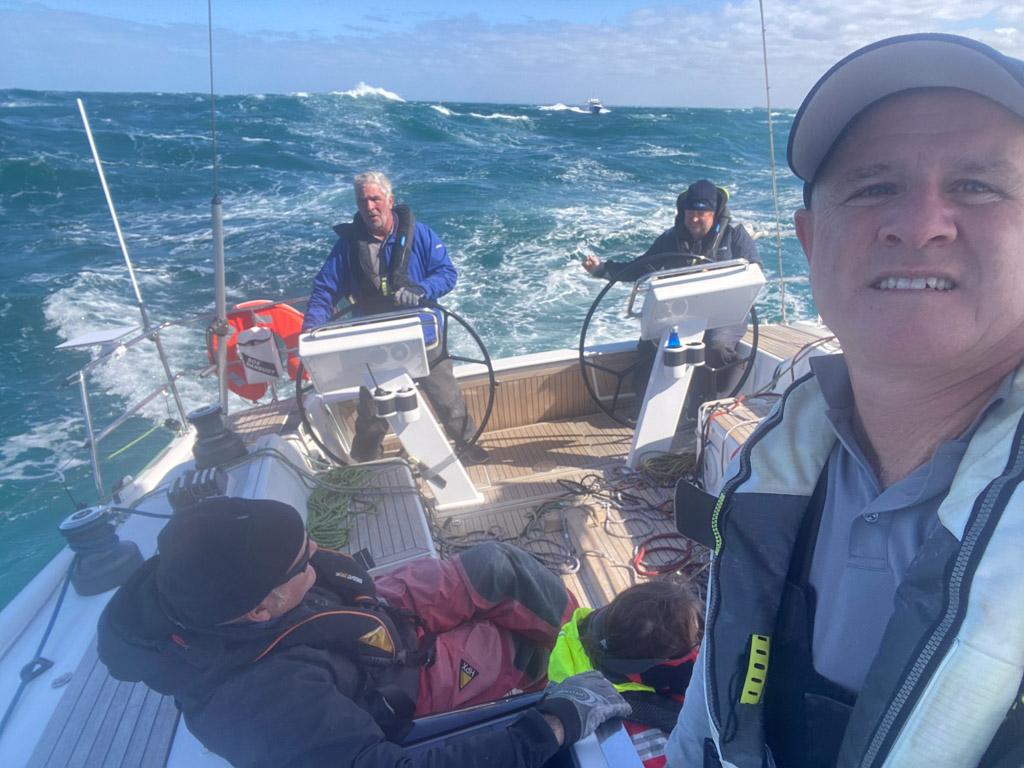
What stands out most about sailing with Steve and the Shimmer team is how well the program is run. The boat is prepared properly, the crew is trusted to do their jobs, and there’s a calm, methodical approach to offshore decision-making. Whether it’s setting up for a night leg, managing sail changes offshore, or working through light and difficult conditions, there’s always something to learn simply by being part of the process.

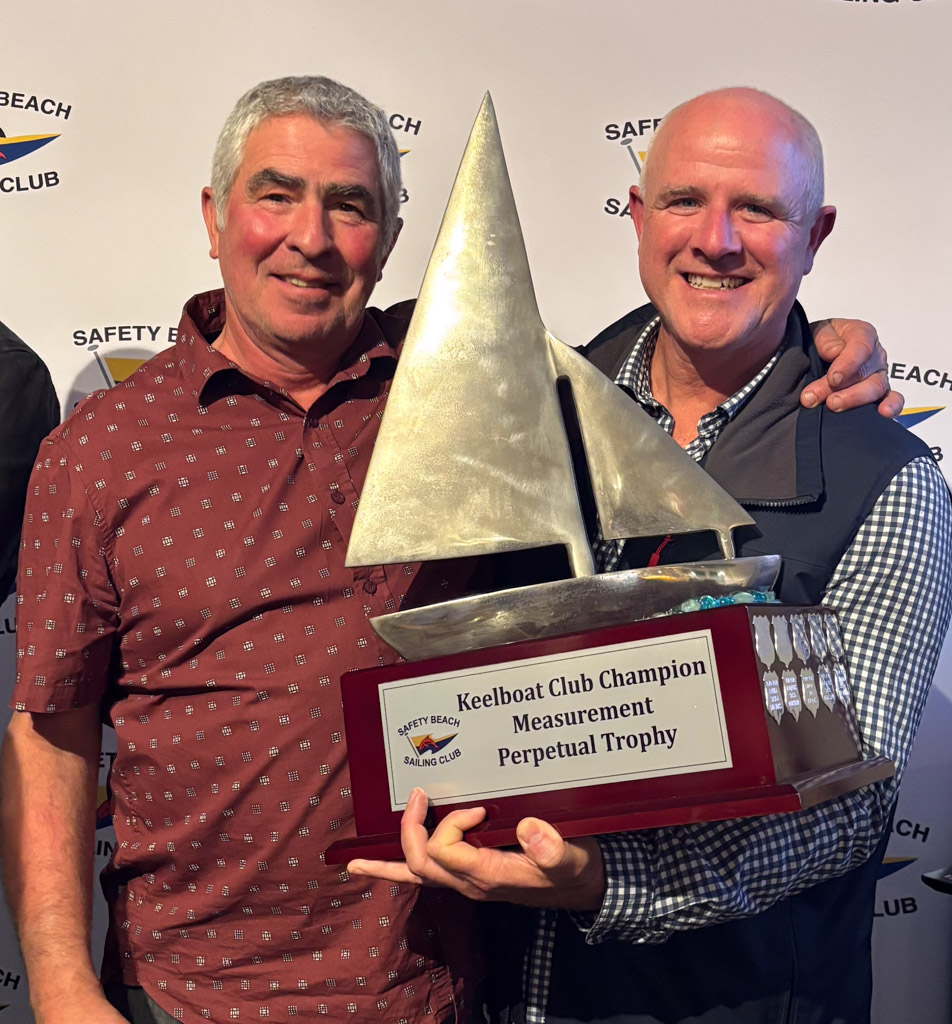
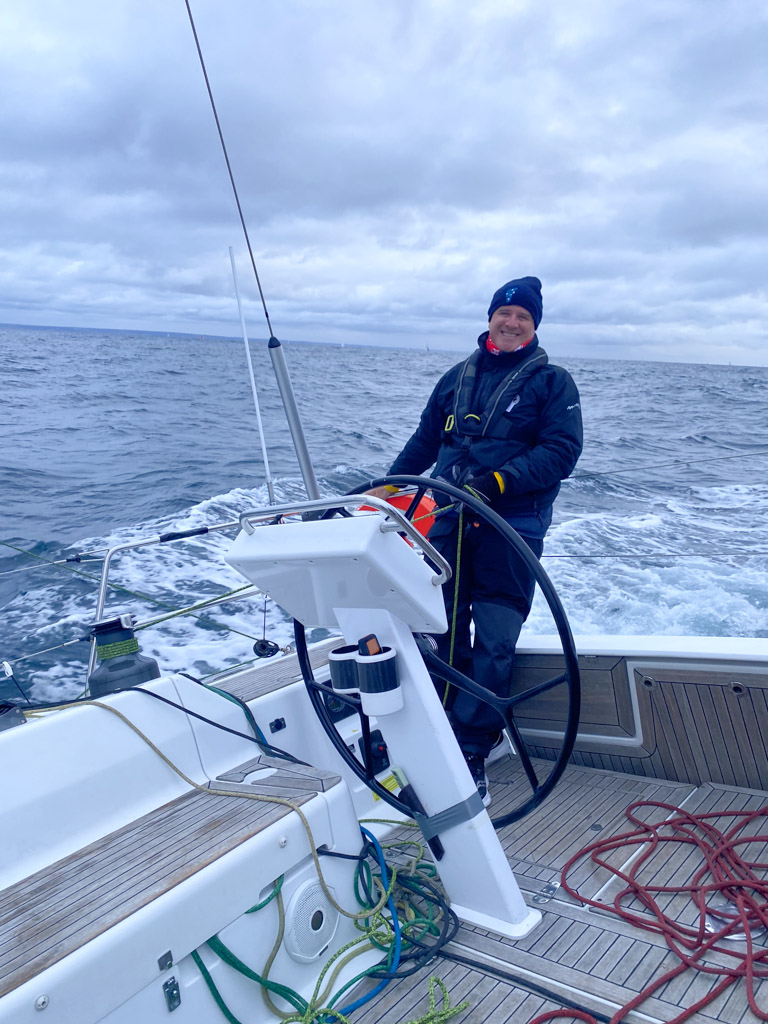
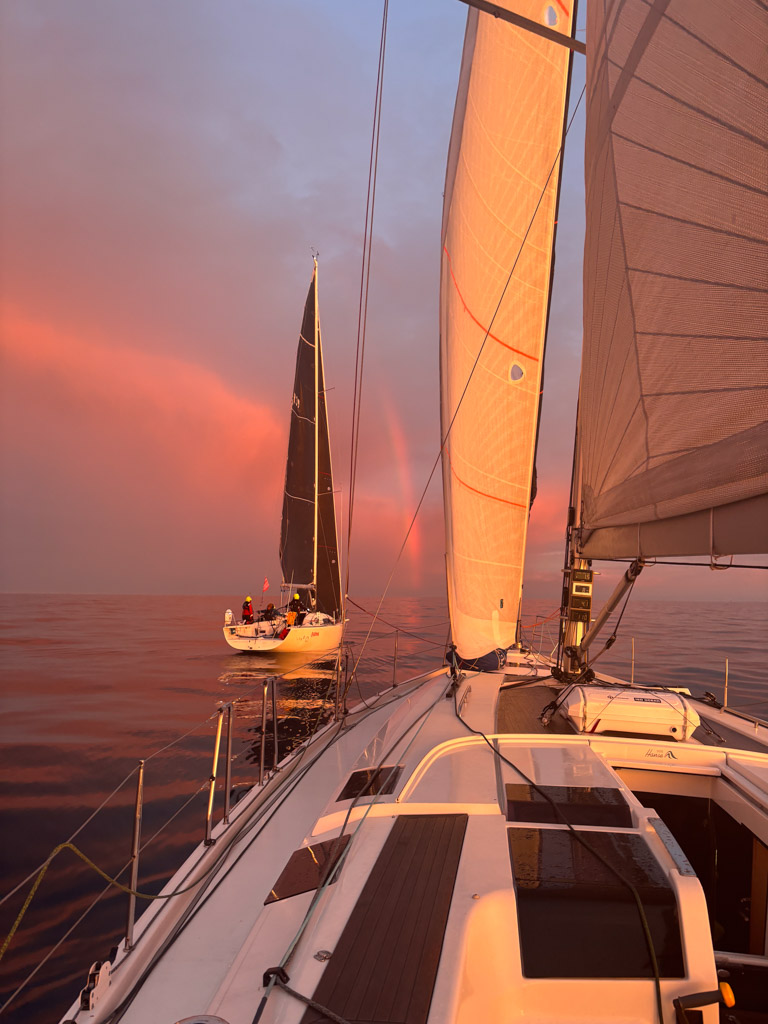
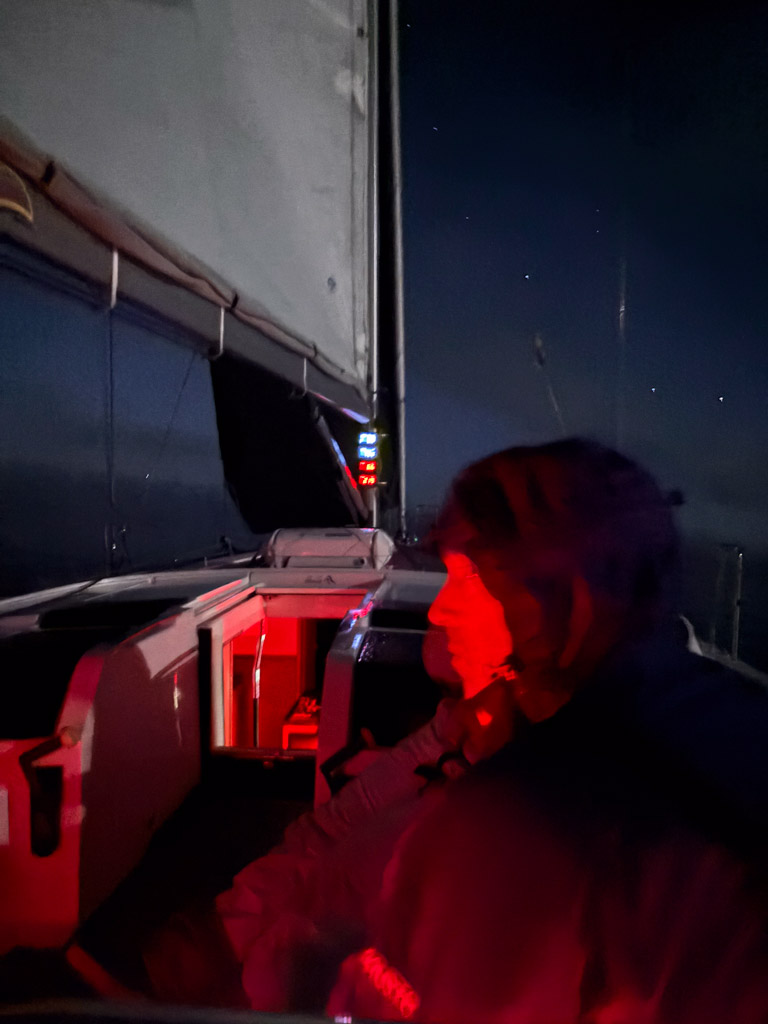
Sailing Shimmer hasn’t been about a single standout race or result — it’s been about consistency, repetition, and miles. The combination of regular club racing, ORCV offshore events and return deliveries has made this one of the most valuable yachts in my recent sailing experience, and one I’ve genuinely grown with over time.
Blogs

Racing 520 Miles North on Clockwork
Shaun McKenna joins the South Australian crew of the Sydney 38 Clockwork for the 520-nautical-mile 2026 Gold Coast to Mackay Yacht Race. Facing 30-knot southerlies, high-speed spinnaker runs, and a severe midnight broach that snapped their steering column, the team executed rapid mid-race repairs to reach Mackay Marina.

Celebrating Legacy and Grit at the 2026 ORCV Awards
Go behind the lens at Sandringham Yacht Club for the 2026 ORCV Annual Awards. This photo-driven retrospective captures the grit and triumphs of the offshore season, celebrating champions like Matt Setton and Nigel Jones while tracing the historic continuity and community defining Victorian ocean racing.
Brass Monkey Winter Pursuit
A thick winter fog at Safety Beach couldn’t stop the Shimmer campaign. With five of eight crew members aboard, the team used Race 4 of the Brass Monkey series to test a new TP52 staysail in light air. A second-place finish secured Shimmer the overall series lead, building critical momentum for the 2026 Rolex Sydney to Hobart.
Smoke, Sparks, and 25 Knots
Before racing the ORCV Winter Series opener, the crew aboard Shimmer stepped onto the swim platform for a spectacular, 25-year-old tradition: a live marine distress flare drill off Sandringham. From orange day smoke to high-altitude rockets and brilliant handheld red pyrotechnics, this vital safety training offered a rare, firsthand look at handling hot emergency ordnance on the water.
Time Out goes north
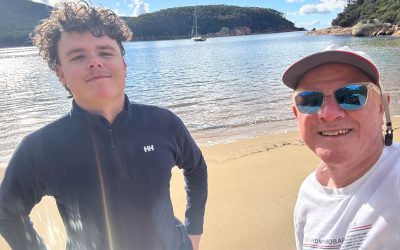
Follow the delivery of the stunning Hanse 458, Time Out X2, on her maiden winter passage under the new owner John Corrie as it leaves from Martha’s Cove to Bermagui. This coastal adventure captures everything from navigating the Rip and anchoring at Refuge Cove to spectacular encounters with breaching whales along the Australian coast.
Port Douglas Race Week 2026
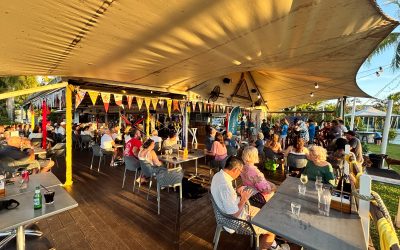
Working the bow aboard Y Knot at Port Douglas Race Week 2026, racing for the iconic Clipper Cup on the Coral Sea. Five days of tropical sailing — from glassy Day One conditions to 25 knots of south-east trade wind. Shaun McKenna reports from one of Far North Queensland’s sailing events.
North by Northwest
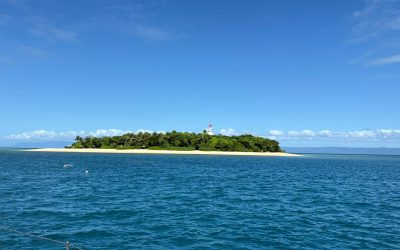
Pinned in Nelly Bay by the south-east trades, we waited four days before heading north aboard YKnot, a Hanse 430. What followed was 199 nautical miles of downwind sailing — island anchorages, unexpected hospitality at Dunk, a sea turtle at Fitzroy, and a tide-dependent entry into Port Douglas. The difficult days are always worth it.

ORCV Coastal Sprint #3
Sam Backwell’s first ocean race. Six yachts crossing ahead of an inbound cargo ship. Ginan sweeping all three handicap divisions. The third ORCV Coastal Sprint packed a full season’s worth of sailing into 27 nautical miles off the Mornington Peninsula — and Shimmer was right in the thick of it.
Luxury cruising
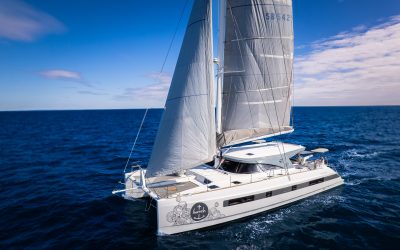
Some boats are built for the marina. Others are built to move. Shooting Baruch — a 2019 Nautitech 542 — for Inspire Marine, it was clear from the first frame which one she is. Fast, refined, and strikingly photogenic, she’s a French multihull design that earns its reputation both offshore and at anchor.
Salt
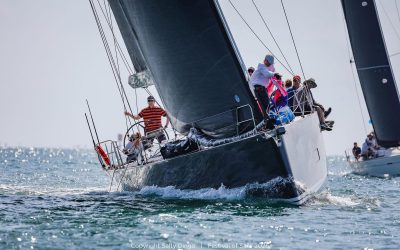
On Salt, a 2021 Solaris 50, I sailed as bow person with James Marshall and Ian Fankhanel. Festival of Sails 2026 saw us win Division 1, thanks to a skilled team including tactician, navigator, and Peter Dowdney. Aaron Cole added sail expertise, highlighting how experience and teamwork make a high-performance yacht excel.

S2H 2025
White Spirit – 80th Rolex Sydney to Hobart
I completed the 2025 Rolex Sydney to Hobart as 2IC and Navigator aboard White Spirit (Beneteau First 50), skippered by Cyrus Allen. Responsible for routing, weather analysis and sail strategy, I supported the helm and watches through a demanding, multi-system offshore race.

Cabbage Tree Island Race
As part of White Spirit’s Hobart preparation, I helmed through extreme conditions in the Cabbage Tree Island Race, sailing into a rapidly building southerly front with apparent winds peaking at 74 knots. The execution and boat handling through the system resulted in my appointment as Second in Command for Hobart.