
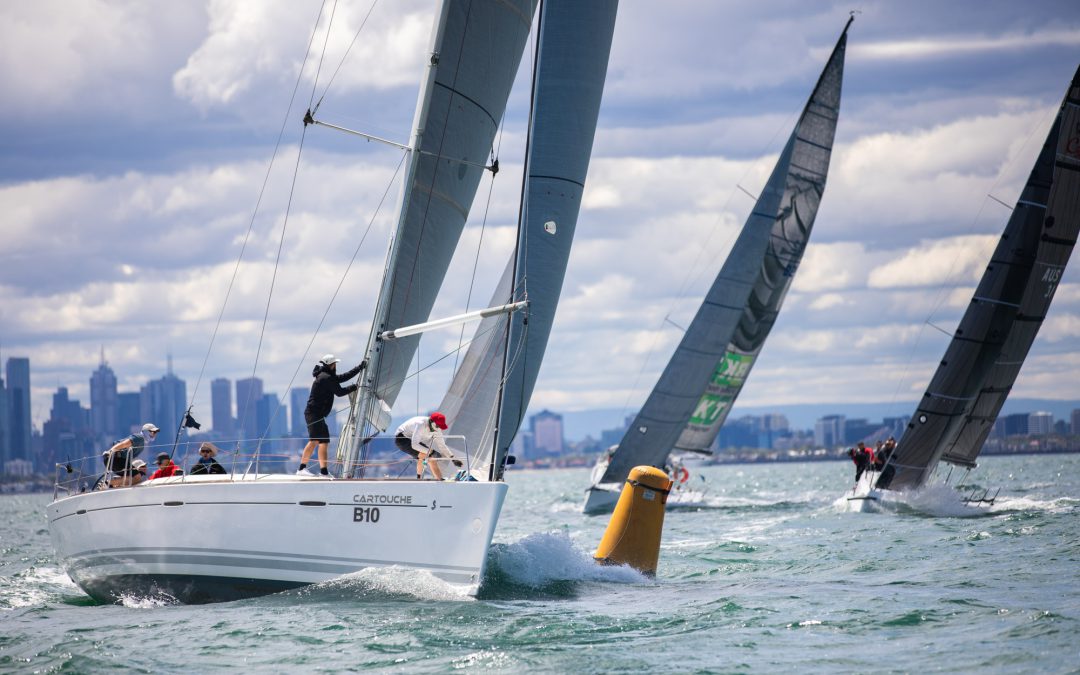
Beneteau First 50
Owner: Steven Fahey
Royal Brighton Yacht Club (RBYC)
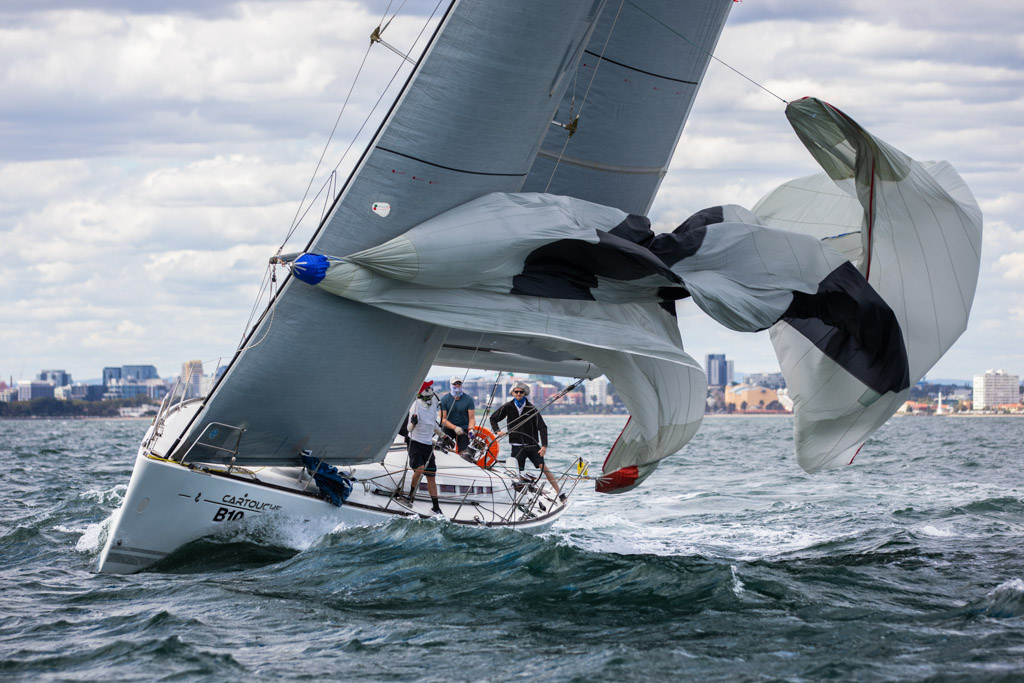
Cartouche, a Beneteau First 50 owned by Steven Fahey and sailed out of Royal Brighton Yacht Club. My time on board has included club racing, Wednesday and Saturday races, ORCV one-day ocean sprint races out of Queenscliff, longer ORCV passage races, and major regattas including the Festival of Sails in Geelong and the Lipton Cup Regatta at Royal Yacht Club of Victoria, which I’ve competed in on Cartouche over the past 2 years.
Sailing with Steven, alongside his sons Damon and Nick, has been especially valuable. The Fahey family bring deep offshore knowledge to the boat, with extensive experience including multiple Sydney to Hobart campaigns. Racing in a family-run program creates a strong culture of trust, shared responsibility and calm decision-making, and I’ve learned a great deal simply by being part of a team that works so cohesively across club, regatta and offshore events.
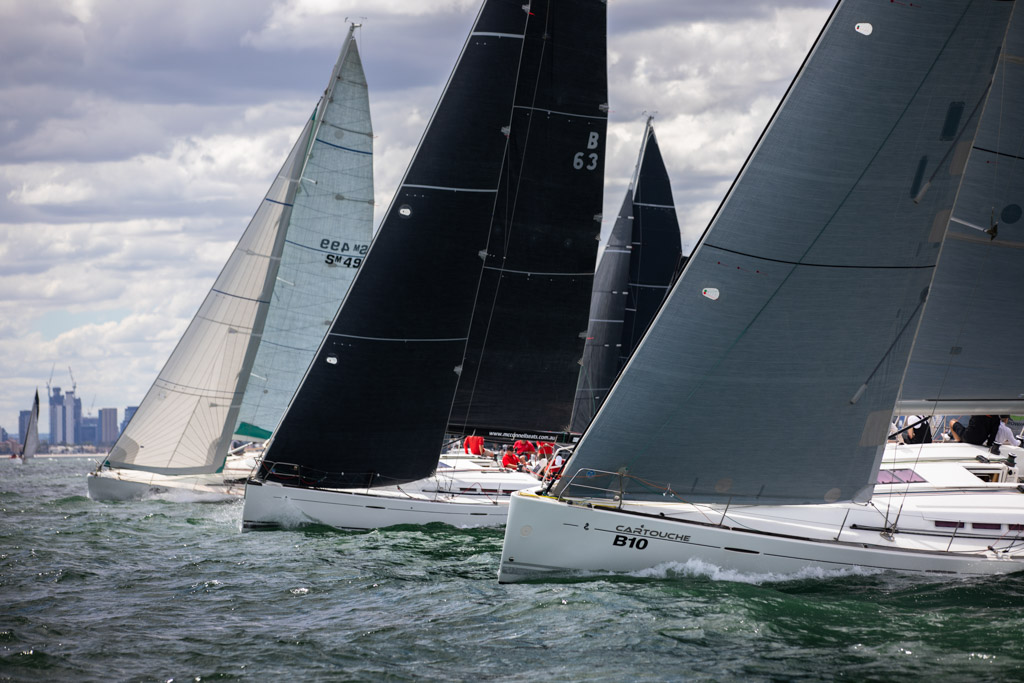
Racing Cartouche at the Festival of Sails 2025 was a particular highlight. As Australia’s largest keelboat regatta, the event brings together large, competitive fleets and a wide mix of conditions over several days of racing on Corio Bay. The format rewards consistency, good communication and the ability to stay sharp across multiple races, making it an excellent environment to refine boat handling, teamwork and tactical awareness within a big-boat program.
Learn more about The Festival of Sails
Learn more about The Lipton Cup Regatta
Beyond racing, I’ve also been involved in Category 2 compliance audits and offshore preparation on Cartouche, gaining hands-on exposure to the practical requirements of offshore campaigning. Time spent on this platform has been particularly beneficial, as the Beneteau First 50 is the same design as White Spirit, the yacht I later completed the Rolex Sydney to Hobart on. Sailing Cartouche helped reinforce familiarity with the layout, systems and handling characteristics of the First 50, making it a highly relevant and valuable part of my offshore sailing development.




Blogs
Salt
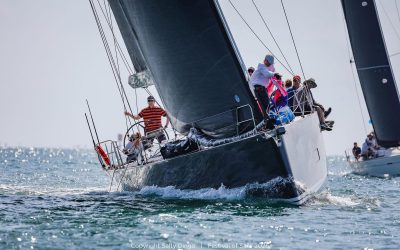
On Salt, a 2021 Solaris 50, I sailed as bow person with James Marshall and Ian Fankhanel. Festival of Sails 2026 saw us win Division 1, thanks to a skilled team including tactician, navigator, and Peter Dowdney. Aaron Cole added sail expertise, highlighting how experience and teamwork make a high-performance yacht excel.

Shimmer
Shimmer, beautifully maintained by Steve Twentyman, is sailed regularly from Safety Beach Sailing Club. With a versatile sail inventory including J0, Code 0, and asymmetric spinnakers, I’ve gained experience across bow, trimming, and helming roles. Calm leadership and preparation make her a reliable platform for club racing, ORCV coastal events, and Category 2 offshore races.

S2H 2025
White Spirit – 80th Rolex Sydney to Hobart
I completed the 2025 Rolex Sydney to Hobart as 2IC and Navigator aboard White Spirit (Beneteau First 50), skippered by Cyrus Allen. Responsible for routing, weather analysis and sail strategy, I supported the helm and watches through a demanding, multi-system offshore race.

Cabbage Tree Island Race
As part of White Spirit’s Hobart preparation, I helmed through extreme conditions in the Cabbage Tree Island Race, sailing into a rapidly building southerly front with apparent winds peaking at 74 knots. The execution and boat handling through the system resulted in my appointment as Second in Command for Hobart.

Airlie Beach Race Week 2025
Airlie Beach Race Week tested sail handling, coordination, and timing across long island legs. On Y Knot, managing the bow meant staying ahead of multiple sail changes under shifting trade-wind breezes. The combination of fast offshore conditions, complex courses, and a skilled crew made it an intense and rewarding experience.

Magnetic Island Race Week 2025
YKnot’s performance demanded anticipation, precise sail transitions, and constant awareness on the bow. The warm waters, trade winds, and tight fleet kept everyone alert, while the relaxed island atmosphere ashore highlighted why offshore racing is as much about people and experience as it is speed.

Scarlet Runner
Delivering Scarlet Runner back to Melbourne with owner and skipper Rob Date after the Melbourne–Hobart Westcoaster was a masterclass in offshore seamanship. A demanding Bass Strait crossing shifted the focus from racing to judgement, restraint, and boat care, highlighting the balance between performance and protection that defines successful offshore sailing.

Australian Yachting Championships (IRC)
Racing on Tenacity in the 2025 Australian Yachting Championships tested precision and teamwork on Hobart’s Derwent. Handling halyards and sail changes as mast person, I experienced the split-second decision-making, calm control, and clear communication required to keep a high-performance Mills 41 moving efficiently through shifting river breezes.

Melbourne to Hobart Westcoaster
Sailing down the coast on Rushour during the Melbourne to Hobart Westcoaster was a masterclass in offshore performance. Heavy Bass Strait and Southern Ocean conditions tested endurance, decision-making, and watch management, while the multihull’s record-breaking pace reinforced the importance of disciplined boat handling, smart routing, and protecting both crew and craft over a long, exposed passage.

Belle – IY60
Racing offshore on Belle, a 60-foot IY60, was a high-intensity test of big-boat handling. Loads, sail changes, and manoeuvres demanded precision, anticipation, and clear communication. The ORCV Coastal Sprint format sharpened situational awareness, adaptability, and crew coordination, giving valuable experience in managing a large offshore yacht under pressure while maintaining speed and control.
QuiXotic
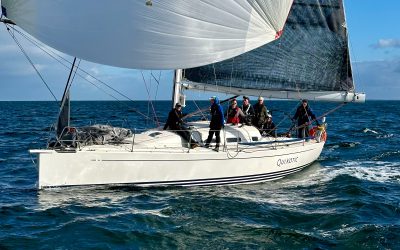
QuiXotic is a well-sailed X-41, but what stands out most is the crew. Andrew Middleton and the team create a positive, easygoing environment on board, focused on enjoying the racing and sailing well together. It’s a boat where good company and good sailing go hand in hand.
Rushour
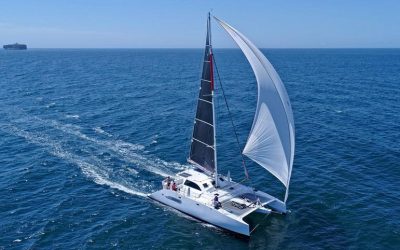
On Rushour, I completed the 430nm Southport to Sydney qualifying passage, involved in all aspects of high-performance multihull sailing. From helming in varied conditions to managing asymmetric spinnaker trim and watch rotations, this experience built the discipline and confidence I carried directly into the Melbourne to Hobart Westcoaster.