

Jones/Hart 14
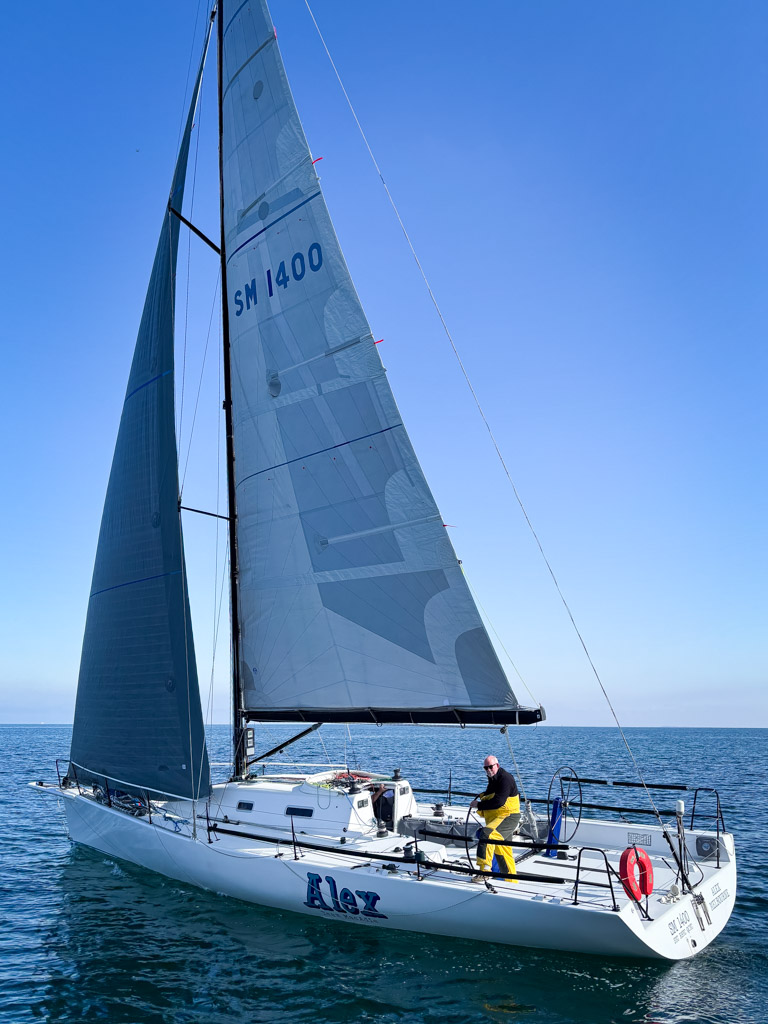
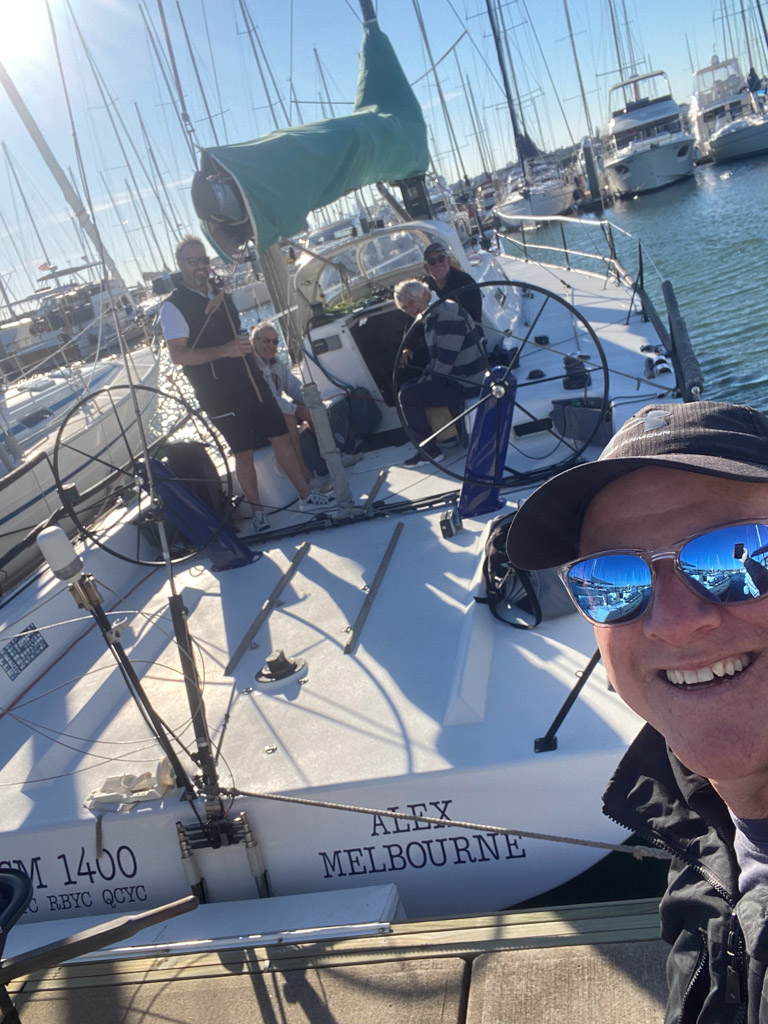
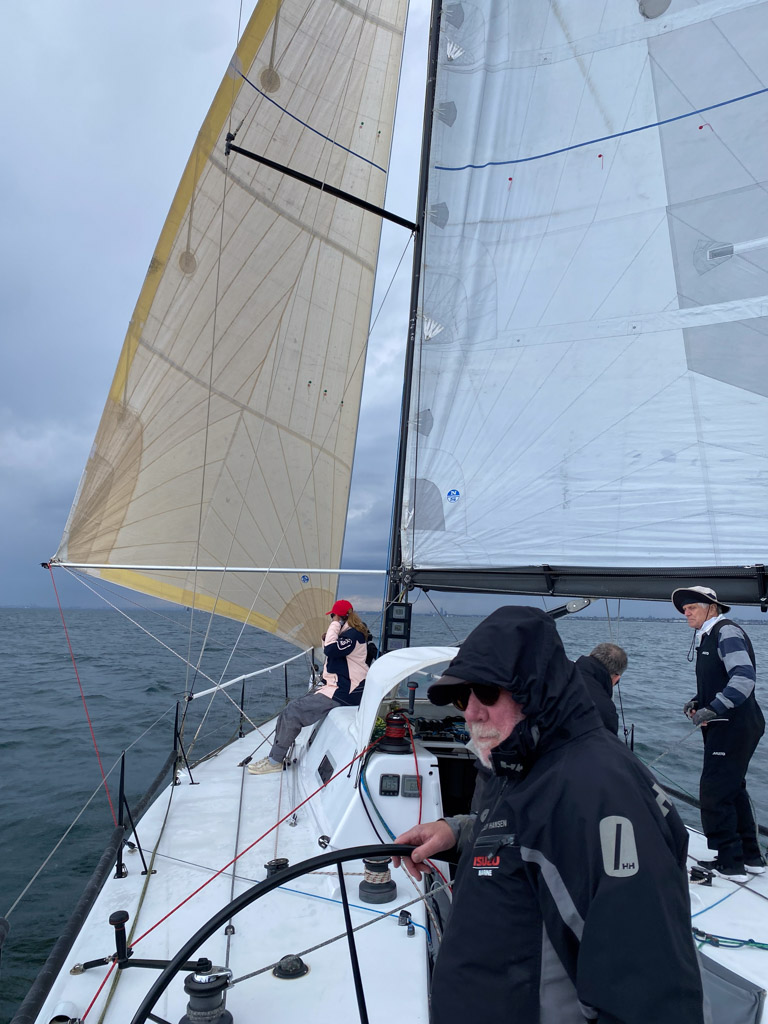
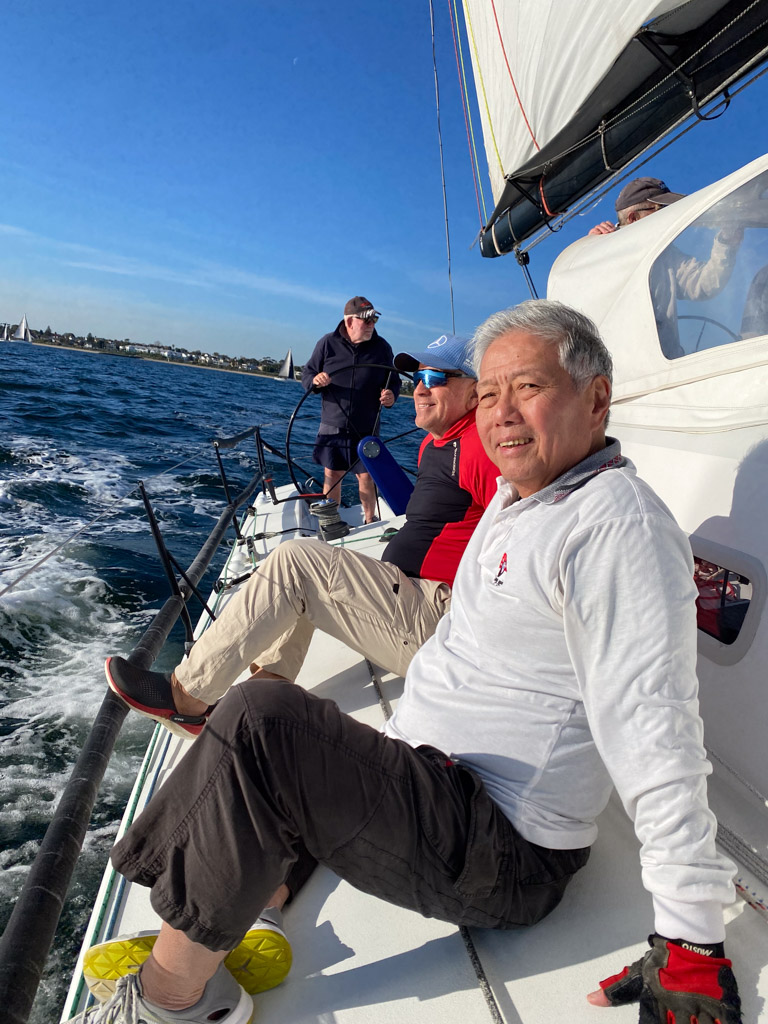
I have raced with Jock MacAdie aboard Alex across numerous Sandringham and ORCV races, gaining valuable experience on a highly competitive and historically significant offshore racing yacht, sailed to a consistently high standard.
Alex was built by Hart Marine and launched in 1993 as Cadibarra VII, designed and raced by Don Jones. Following major structural modifications in 2000, she was relaunched as Kontrol and quickly established an impressive offshore record, including an ORCV Sovereign Series win, Melbourne–Hobart line honours, second place in the Melbourne–Osaka Double-Handed Race, and setting the Melbourne–Stanley race record.
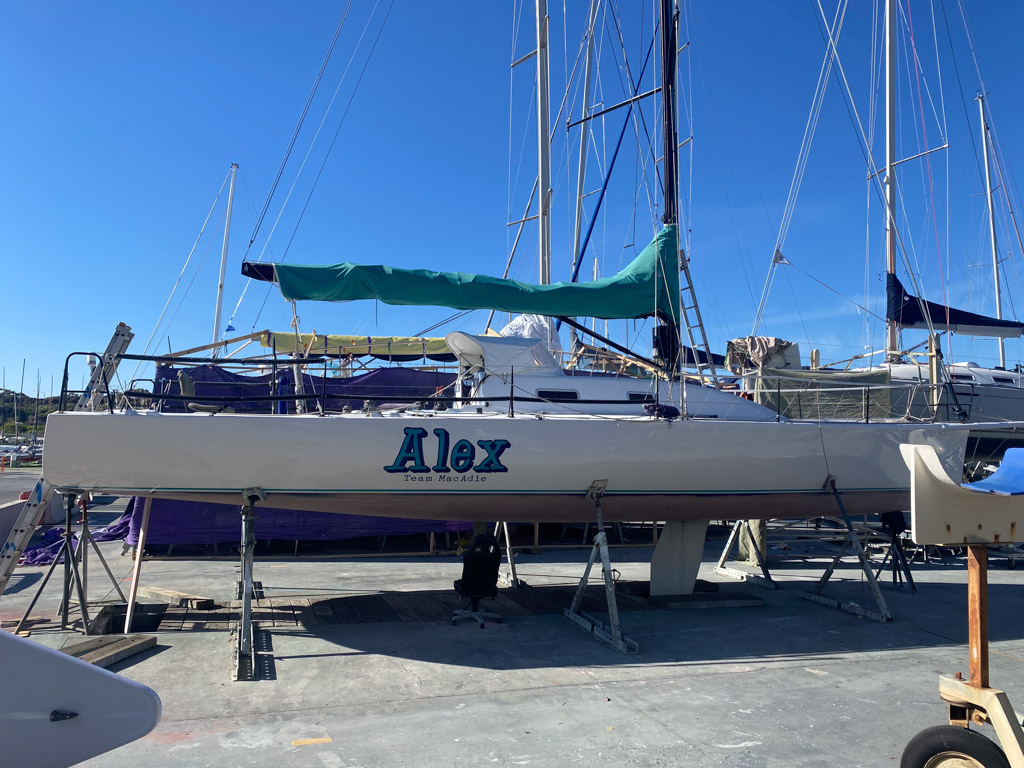
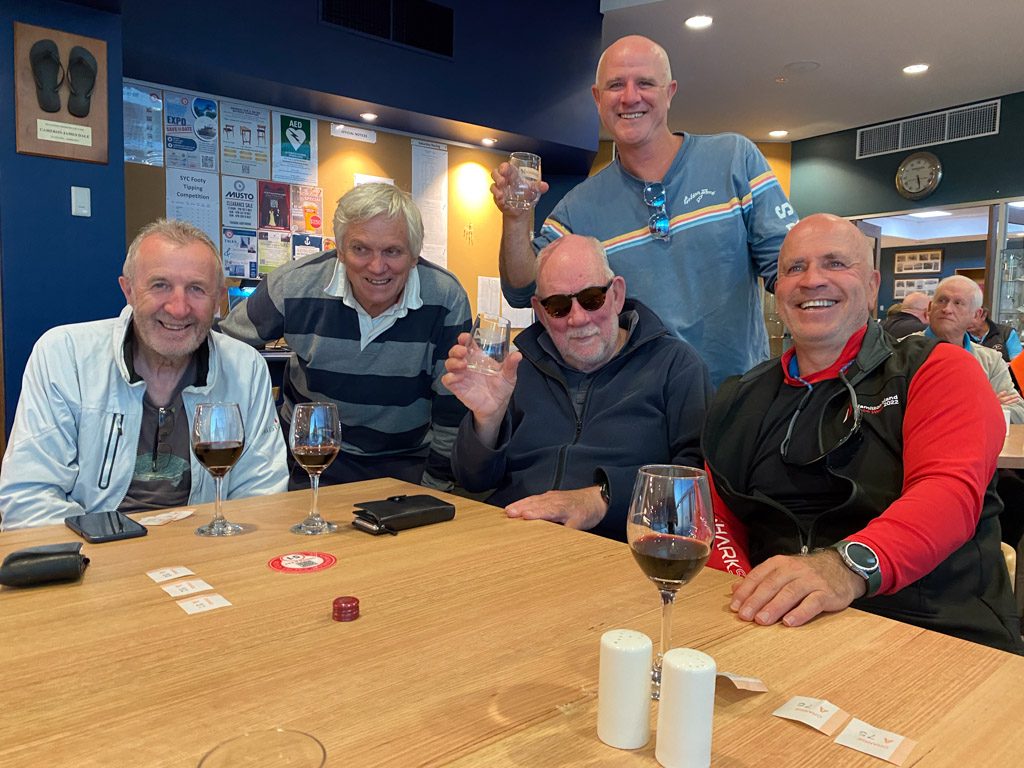
Jock MacAdie purchased the yacht in 2005, renaming her Alex – Team MacAdie in memory of his father. Under Jock’s ownership, the yacht became renowned for exceptional double-handed performances against fully crewed fleets. The pinnacle achievement came in the 2007 Melbourne–Osaka Cup, where Jock and his son Hamish overcame major equipment failures to restart the race, claw back an 800-mile deficit, and win outright.
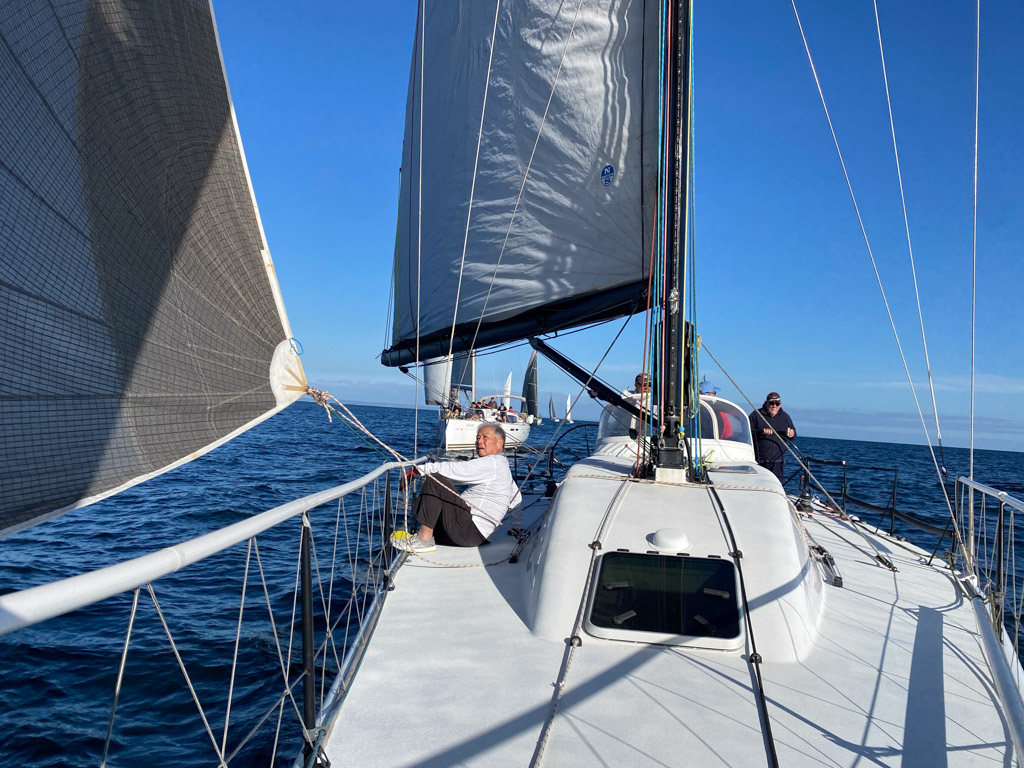
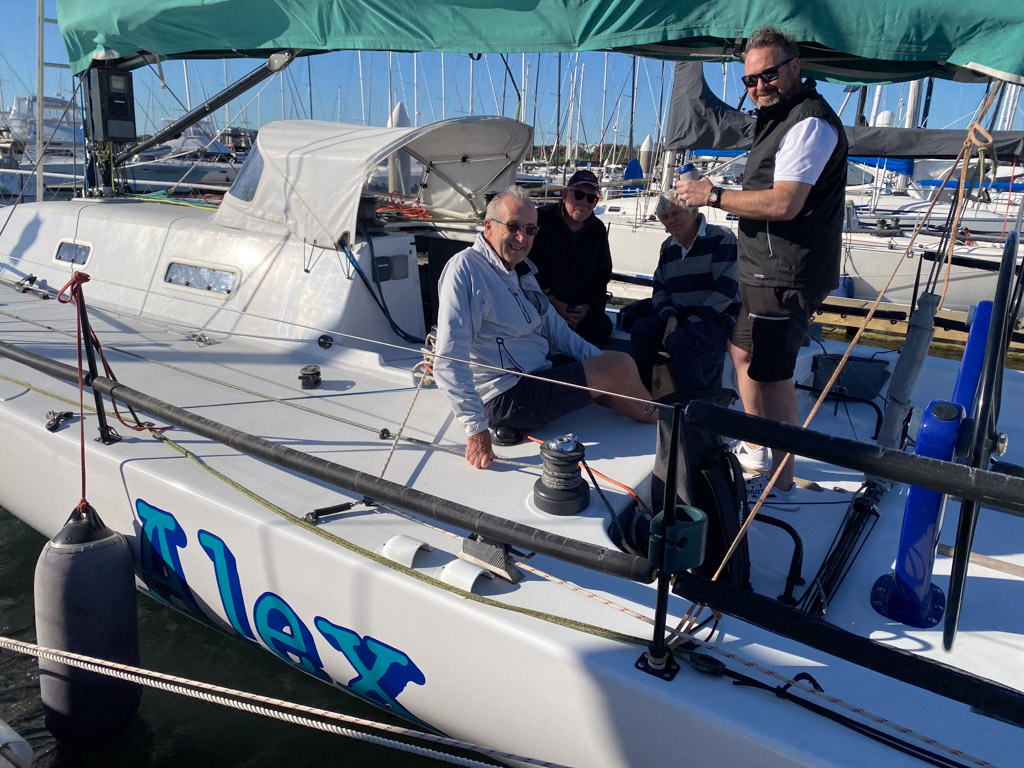
Across the 2007–2010 seasons, Alex achieved multiple overall and divisional wins in major offshore and bay races, including repeated ORCV Sovereign Series victories, Melbourne–Hobart podium finishes, Sir Thomas Lipton Trophy wins, Port Phillip Sea Pilots Trophy honours, and consistent line-honours results—often sailed two-handed against fully crewed boats.
After a quieter period, Alex underwent a full refit in 2019 and has since returned to racing. Jock remains deeply committed to double-handed sailing and to mentoring and developing the next generation of sailors in this discipline—an ethos that strongly shaped my own experience aboard the yacht.
Blogs
Salt
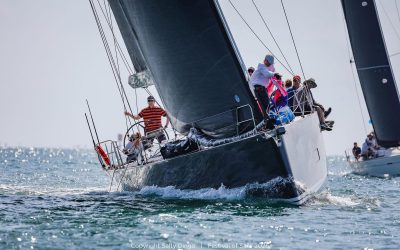
On Salt, a 2021 Solaris 50, I sailed as bow person with James Marshall and Ian Fankhanel. Festival of Sails 2026 saw us win Division 1, thanks to a skilled team including tactician, navigator, and Peter Dowdney. Aaron Cole added sail expertise, highlighting how experience and teamwork make a high-performance yacht excel.

Shimmer
Shimmer, beautifully maintained by Steve Twentyman, is sailed regularly from Safety Beach Sailing Club. With a versatile sail inventory including J0, Code 0, and asymmetric spinnakers, I’ve gained experience across bow, trimming, and helming roles. Calm leadership and preparation make her a reliable platform for club racing, ORCV coastal events, and Category 2 offshore races.

S2H 2025
White Spirit – 80th Rolex Sydney to Hobart
I completed the 2025 Rolex Sydney to Hobart as 2IC and Navigator aboard White Spirit (Beneteau First 50), skippered by Cyrus Allen. Responsible for routing, weather analysis and sail strategy, I supported the helm and watches through a demanding, multi-system offshore race.

Cabbage Tree Island Race
As part of White Spirit’s Hobart preparation, I helmed through extreme conditions in the Cabbage Tree Island Race, sailing into a rapidly building southerly front with apparent winds peaking at 74 knots. The execution and boat handling through the system resulted in my appointment as Second in Command for Hobart.

Airlie Beach Race Week 2025
Airlie Beach Race Week tested sail handling, coordination, and timing across long island legs. On Y Knot, managing the bow meant staying ahead of multiple sail changes under shifting trade-wind breezes. The combination of fast offshore conditions, complex courses, and a skilled crew made it an intense and rewarding experience.

Magnetic Island Race Week 2025
YKnot’s performance demanded anticipation, precise sail transitions, and constant awareness on the bow. The warm waters, trade winds, and tight fleet kept everyone alert, while the relaxed island atmosphere ashore highlighted why offshore racing is as much about people and experience as it is speed.

Cartouche
Cartouche – Beneteau First 50 (RBYC)
I’ve sailed regularly aboard Cartouche, a Beneteau First 50 owned by Steven Fahey, across club racing, ORCV events and major regattas. Racing within a family-run team sharpened my big-boat awareness and offshore readiness, while reinforcing consistency, preparation and calm decision-making across varied conditions.

Scarlet Runner
Delivering Scarlet Runner back to Melbourne with owner and skipper Rob Date after the Melbourne–Hobart Westcoaster was a masterclass in offshore seamanship. A demanding Bass Strait crossing shifted the focus from racing to judgement, restraint, and boat care, highlighting the balance between performance and protection that defines successful offshore sailing.

Australian Yachting Championships (IRC)
Racing on Tenacity in the 2025 Australian Yachting Championships tested precision and teamwork on Hobart’s Derwent. Handling halyards and sail changes as mast person, I experienced the split-second decision-making, calm control, and clear communication required to keep a high-performance Mills 41 moving efficiently through shifting river breezes.

Melbourne to Hobart Westcoaster
Sailing down the coast on Rushour during the Melbourne to Hobart Westcoaster was a masterclass in offshore performance. Heavy Bass Strait and Southern Ocean conditions tested endurance, decision-making, and watch management, while the multihull’s record-breaking pace reinforced the importance of disciplined boat handling, smart routing, and protecting both crew and craft over a long, exposed passage.

Belle – IY60
Racing offshore on Belle, a 60-foot IY60, was a high-intensity test of big-boat handling. Loads, sail changes, and manoeuvres demanded precision, anticipation, and clear communication. The ORCV Coastal Sprint format sharpened situational awareness, adaptability, and crew coordination, giving valuable experience in managing a large offshore yacht under pressure while maintaining speed and control.
QuiXotic
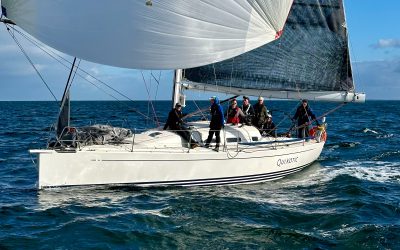
QuiXotic is a well-sailed X-41, but what stands out most is the crew. Andrew Middleton and the team create a positive, easygoing environment on board, focused on enjoying the racing and sailing well together. It’s a boat where good company and good sailing go hand in hand.