Corsair

A Proven Training Ground for Australian Sailors
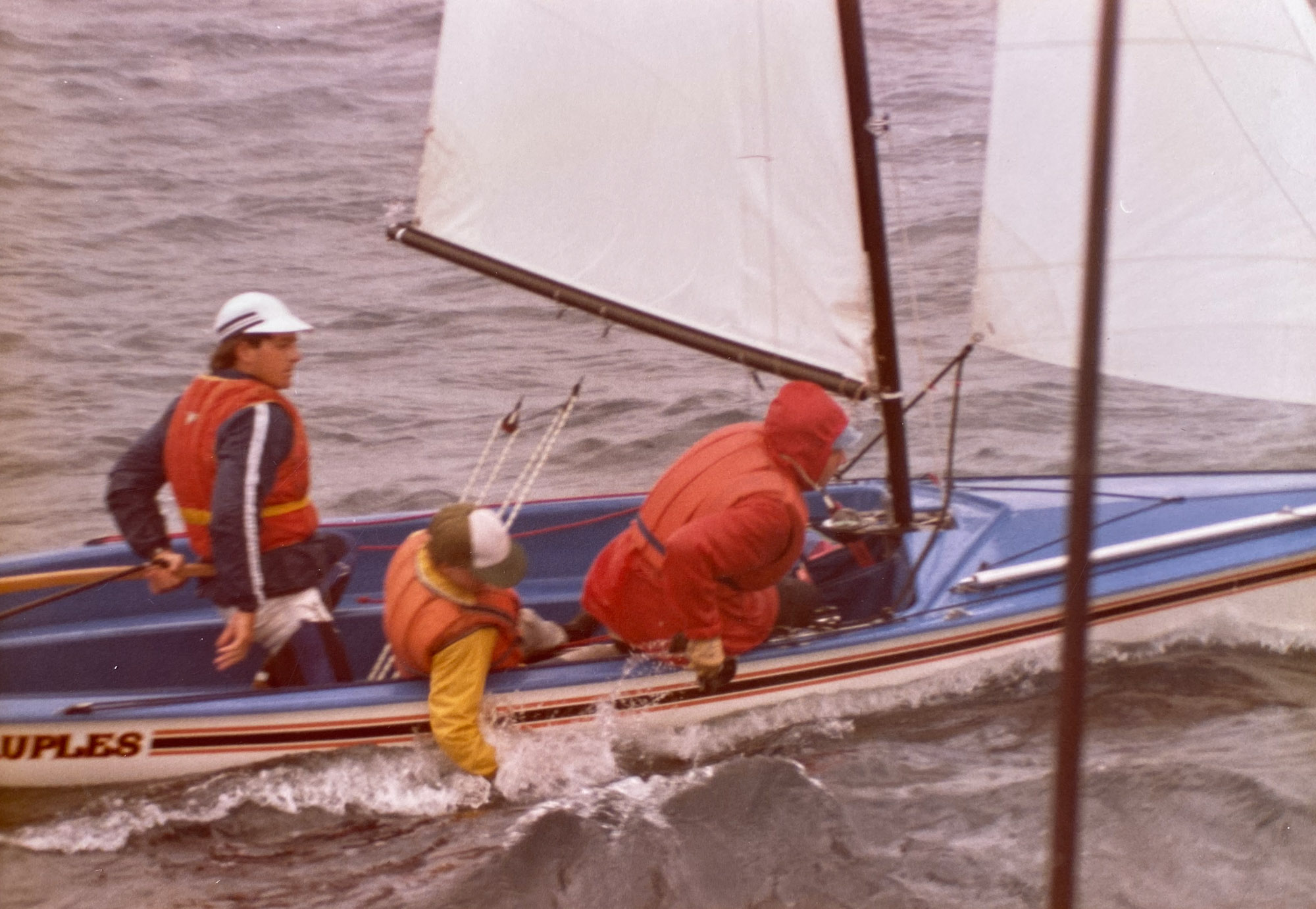
For me, the Corsair was a formative boat in my development as a sailor. It introduced me early to the demands of true three-handed sailing—where success depends on trust, timing, and clear communication rather than individual effort.
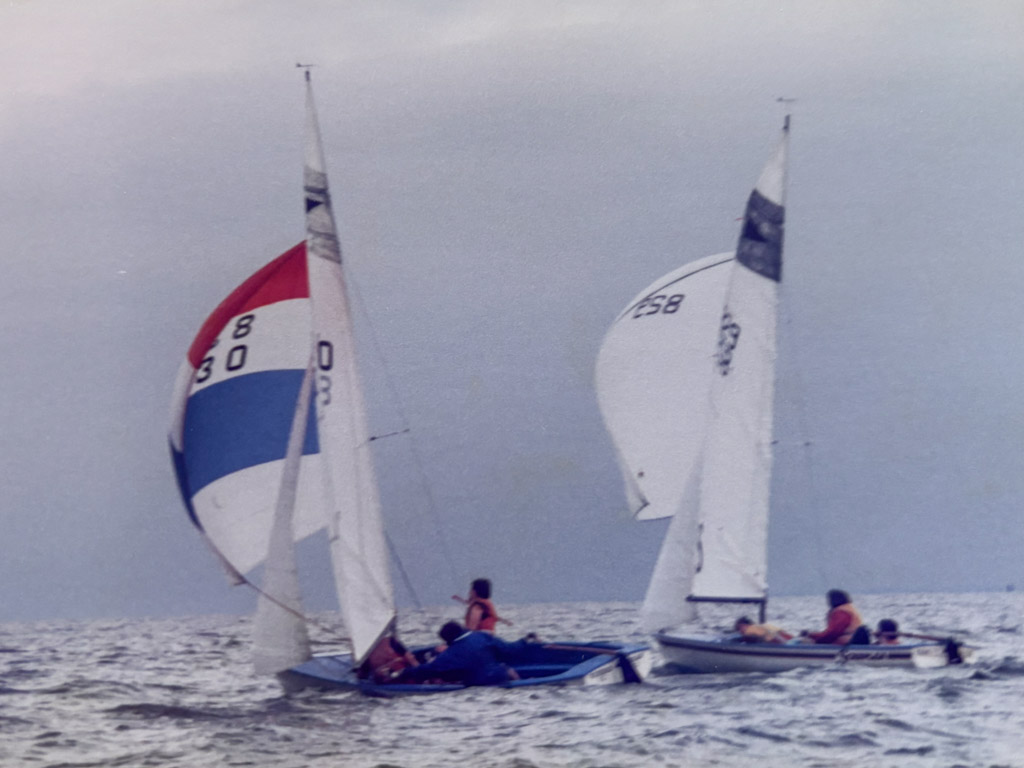
Campaigning the boat to a Victorian State Title win reinforced how much consistent execution and teamwork matter over a series. Small gains—clean hoists, tidy mark roundings, and disciplined positioning—compound quickly over the course of a regatta.
The habits I developed sailing Corsairs have stayed with me. Preparation, clear role definition, and efficient boat handling remain central to how I approach yacht delivery and offshore sailing today.
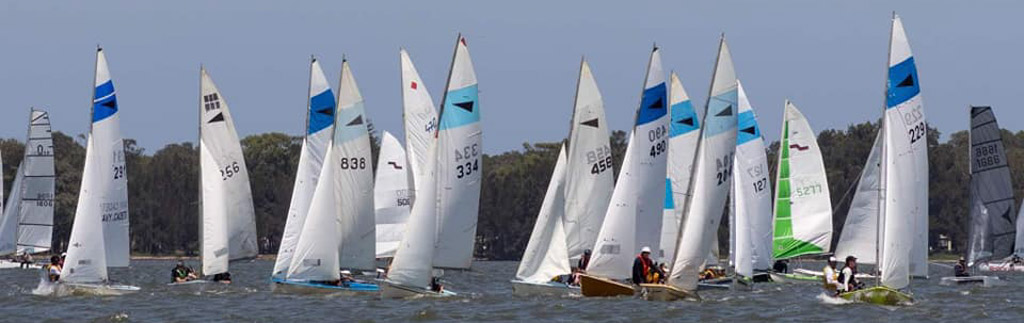
The Corsair is a sixteen-foot, three-handed monohull dinghy that has played an important role in Australian sailing for decades. Known for its balance of performance, teamwork, and accessibility, it is widely regarded as a genuine sailor development class.
Designed in Australia, the Corsair sits between junior dinghies and larger keelboats. With three crew on board, it demands coordination, communication, and disciplined boat handling. Every manoeuvre requires input from the full crew, making it an ideal platform for sailors learning to operate as a cohesive unit.
One of the defining characteristics of the Corsair class is its versatility. The boat rewards good trim, weight placement, and tactical awareness without unnecessary complexity or extreme loads.
This makes it a natural progression class for sailors moving beyond junior pathways, as well as for experienced sailors who value close, competitive racing. As a strict one-design class, results are driven by decision-making and execution—not equipment advantage.
Over time, Corsair sailing in Australia has built a strong reputation for producing capable, well-rounded sailors. Many who developed their skills in the class have gone on to succeed in offshore racing, keelboat programs, and professional sailing roles.
The core skills—teamwork, situational awareness, and consistency under pressure—translate directly to larger yachts and offshore environments. These are the same qualities required for safe and efficient yacht delivery.
Corsair racing remains strong at both club and championship level, with state and national titles attracting competitive fleets. For many sailors, it represents their first exposure to structured three-person racing, where clearly defined roles and precise execution are essential.
Beyond competition, the Corsair is valued for its longevity and simplicity. Many boats remain active for decades, reflecting both the durability of the design and the strength of the class community.
Sailors often look back on Corsairs as the boat that taught them the fundamentals—wind awareness, clean manoeuvres, and smart decision-making—skills that underpin all forms of sailing.
Today, the Corsair continues to hold an important place in Australian sailing. Whether as a development pathway or a competitive class in its own right, it remains a boat that rewards good sailing and leaves a lasting impact on those who race it.