
Into the Mystic
Hanse 430E | Skipper: Adam Leeming
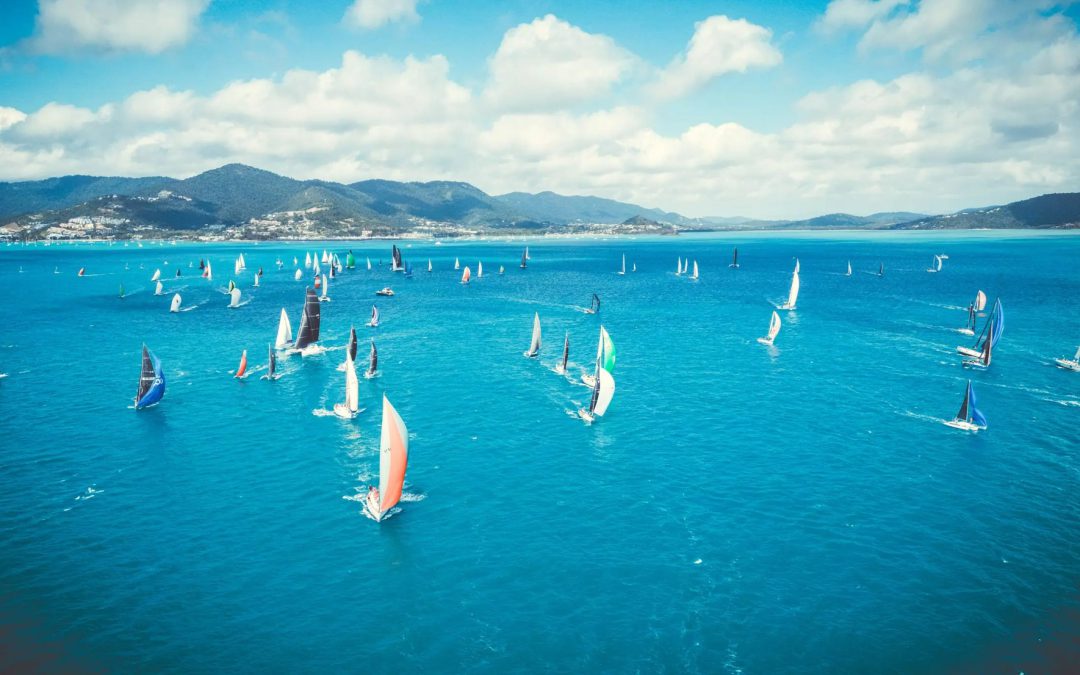
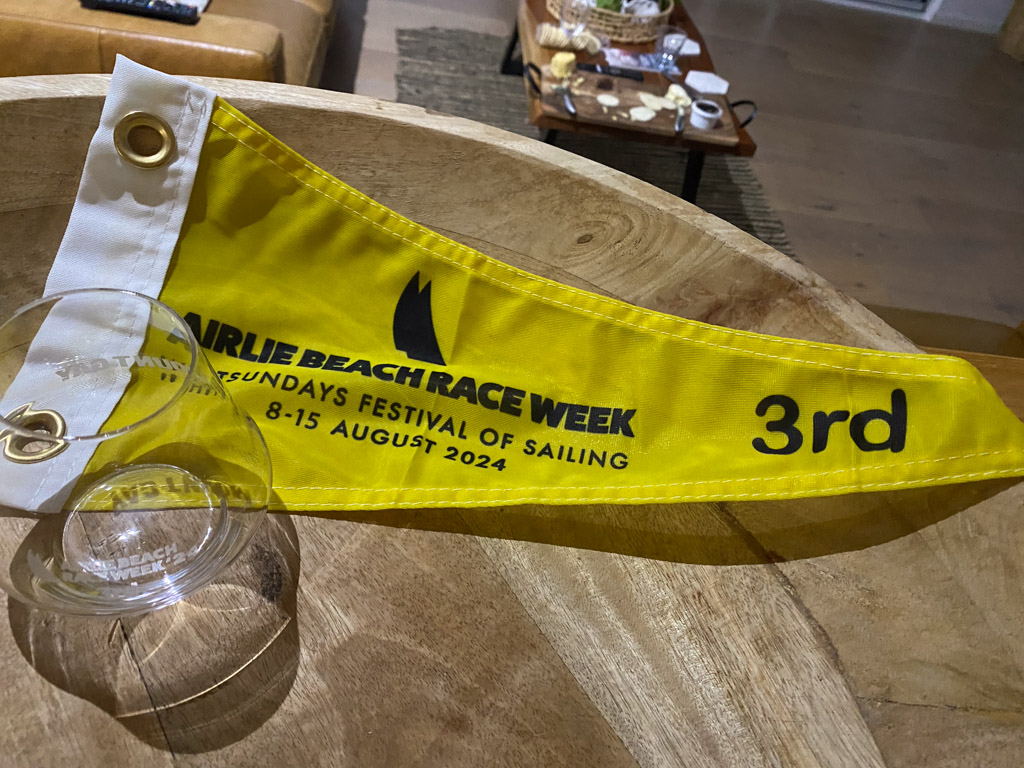
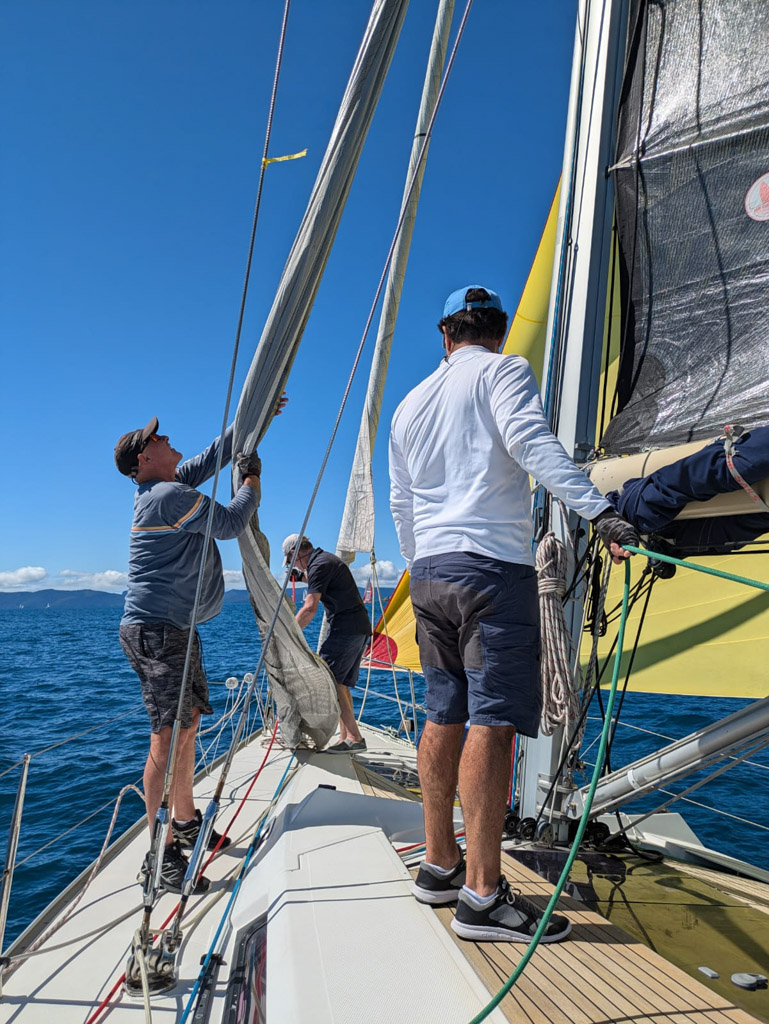
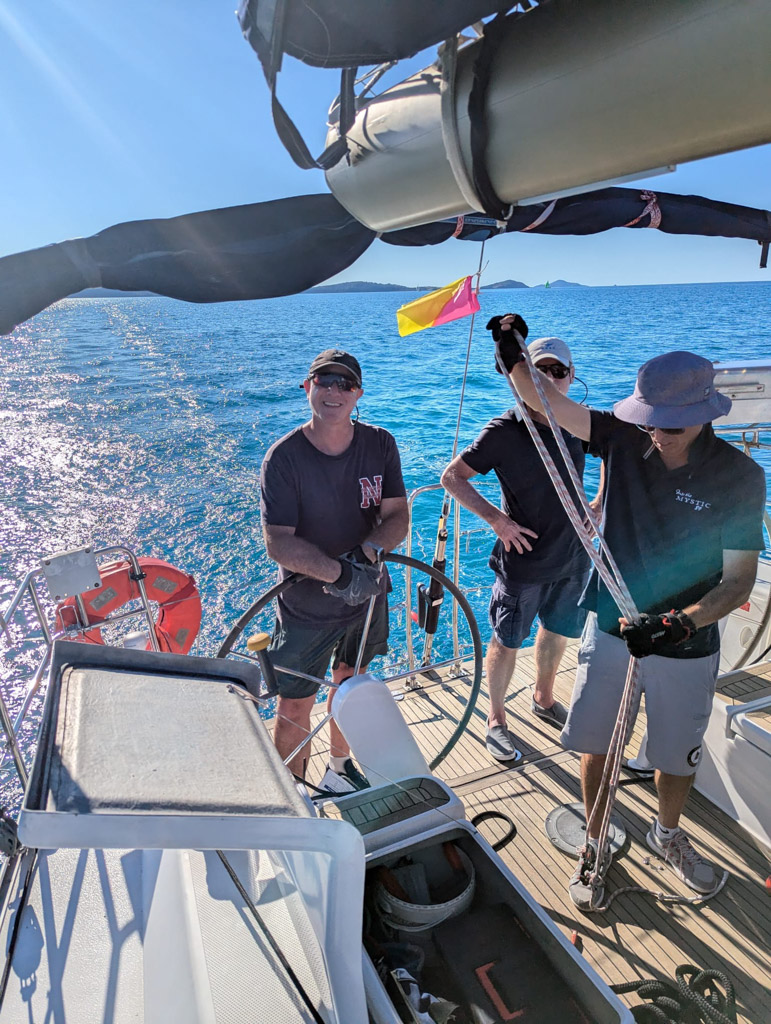
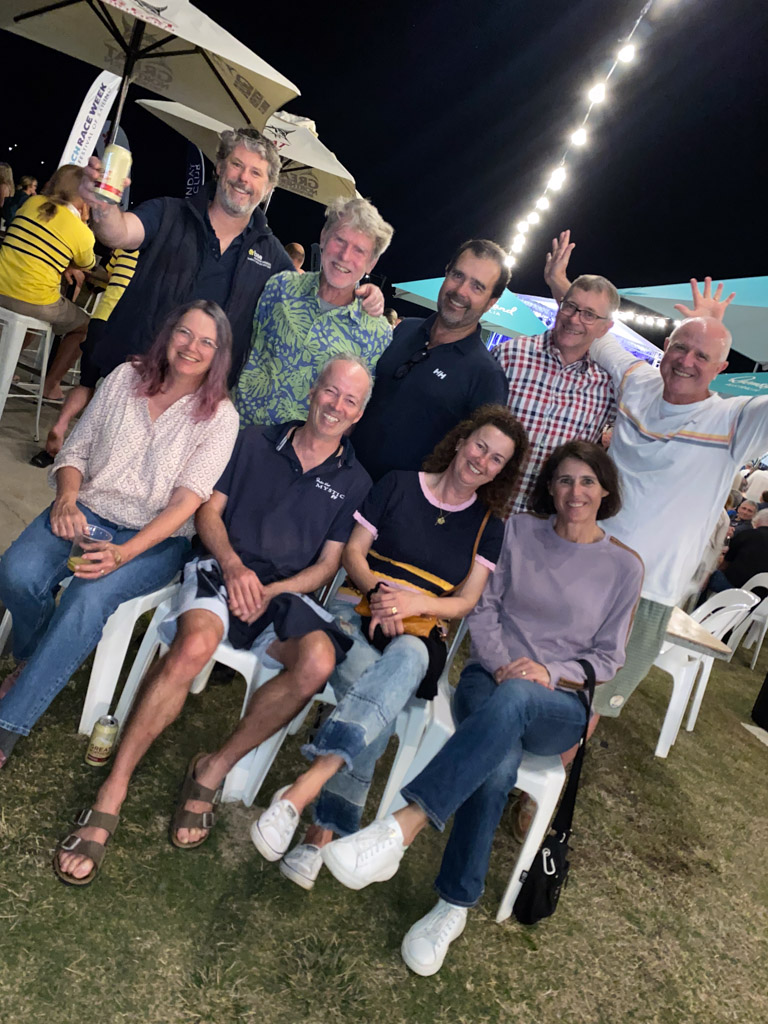
I was invited by my OTB sailing friend Alister Danks to join him aboard Into the Mystic, a Hanse 430E owned by Adam Leeming, for Airlie Beach Race Week 2024 — one of Australia’s premier week-long offshore regattas set among the Whitsunday Islands and hosted by the Whitsunday Sailing Club. The event features multiple days of racing through the island passages, with courses that weave between bays, channels and open ocean legs lasting hours.
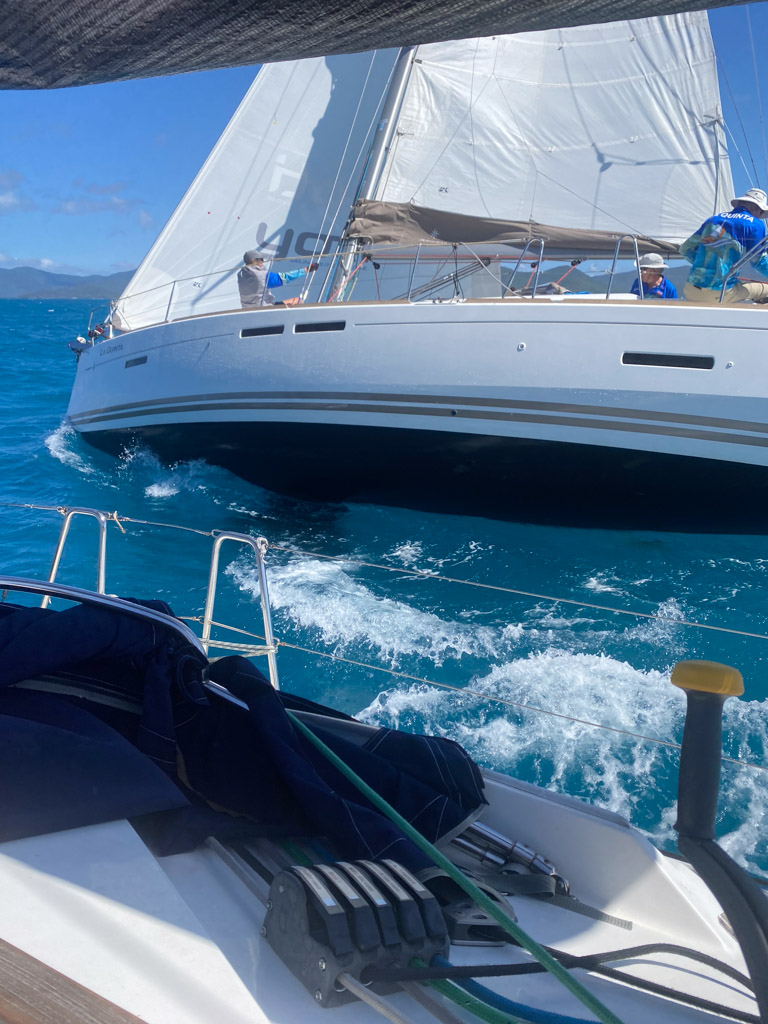
From the outset, the weather showed its teeth. The first couple of days delivered strong winds and gusts that tested crews across the fleet. Reports from the regatta mentioned winds gusting beyond 30 knots and significant tidal influence, especially in narrow passages where wind and tide opposed each other, creating steep, choppy conditions that demanded constant attention and teamwork.
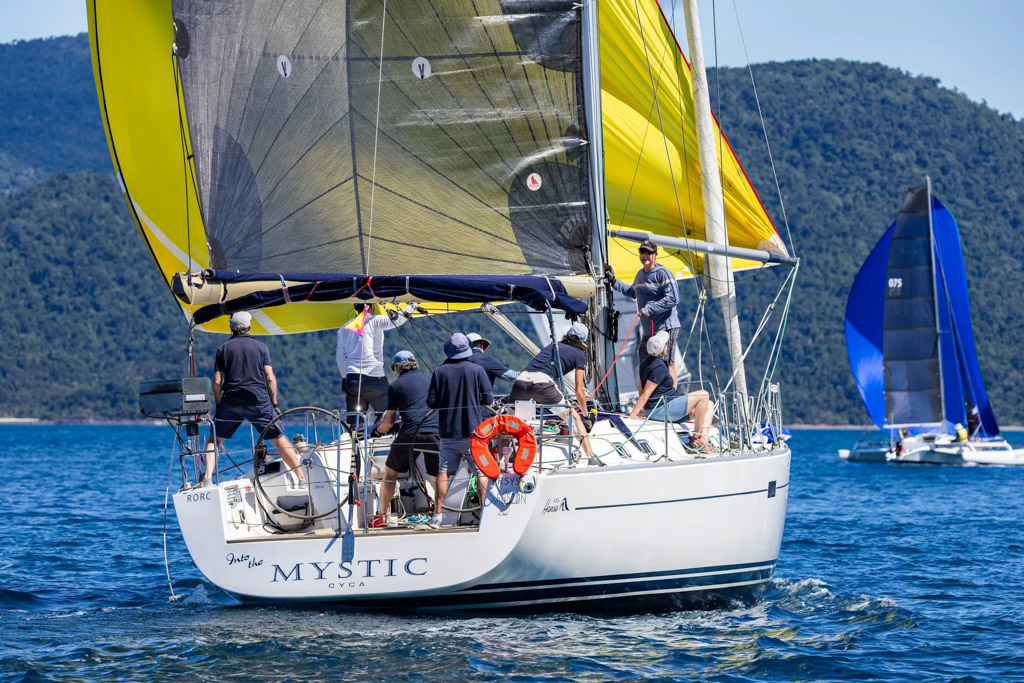
Sailing around the islands means long legs between marks, frequent sail changes and an ongoing dance with currents. Tides in the Whitsundays ebb north-west and flood south-east, and transitions between tidal streams in island channels can significantly affect boat speed and angle, requiring careful planning and watchful execution.
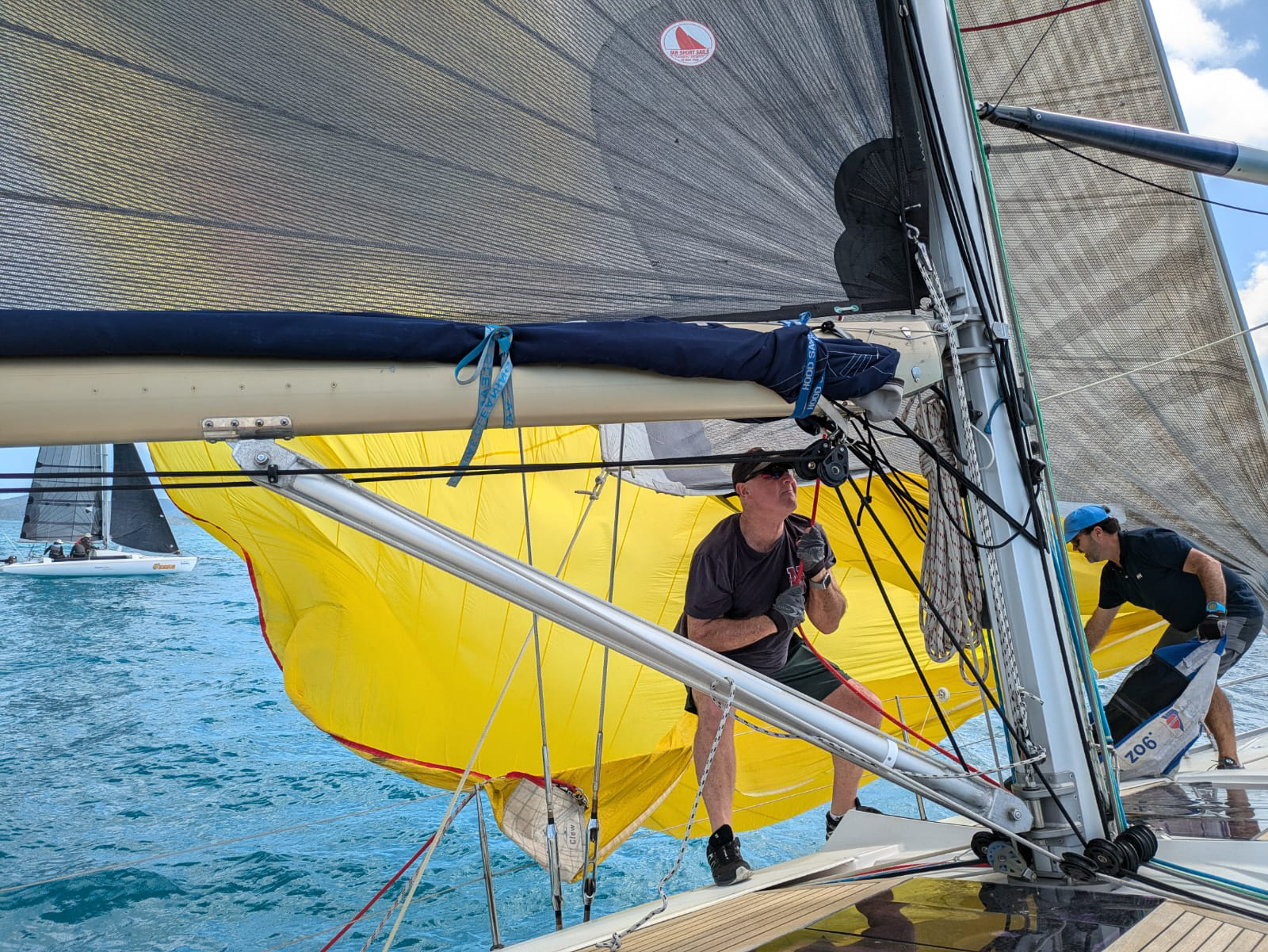
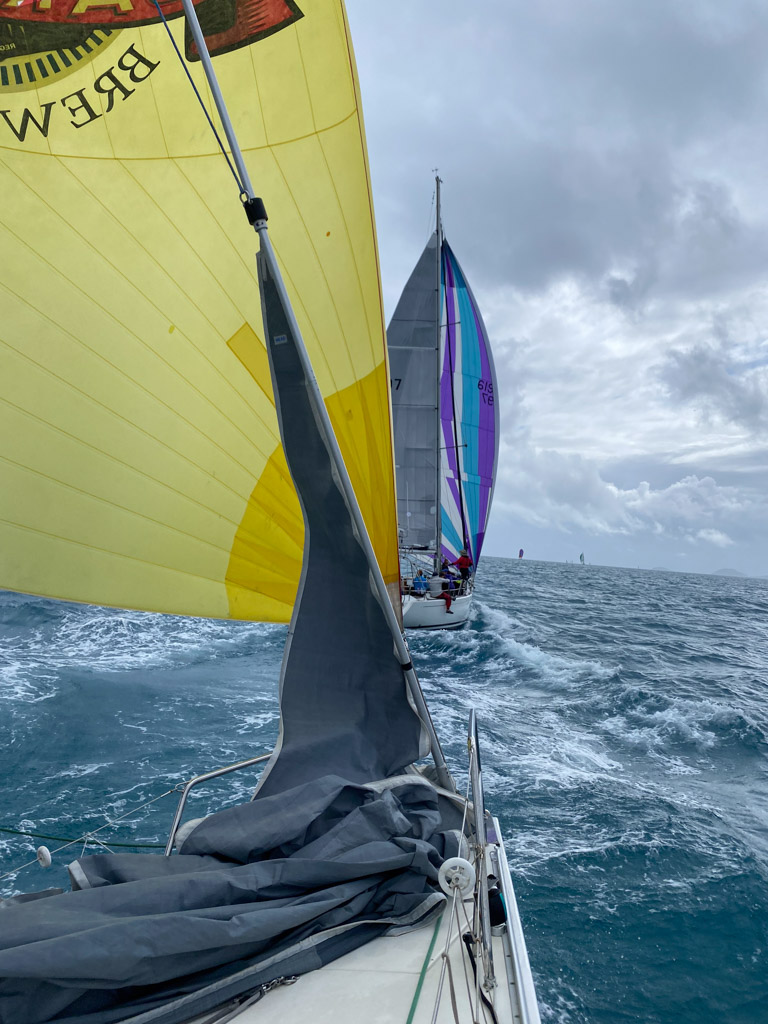
As bow person, my role was at the sharp end of this rhythm: anticipating multiple sail changes on long legs and keeping ahead of what the wind and course would demand. With Into the Mystic carrying a range of downwind sails — from Code 0 through asymmetric and symmetric spinnakers — we found ourselves frequently preparing for the next sail well before the shift arrived. This constant adjustment to wind, tide and sea state reinforced the importance of staying proactive and communicating clearly with the trimmers and helm.
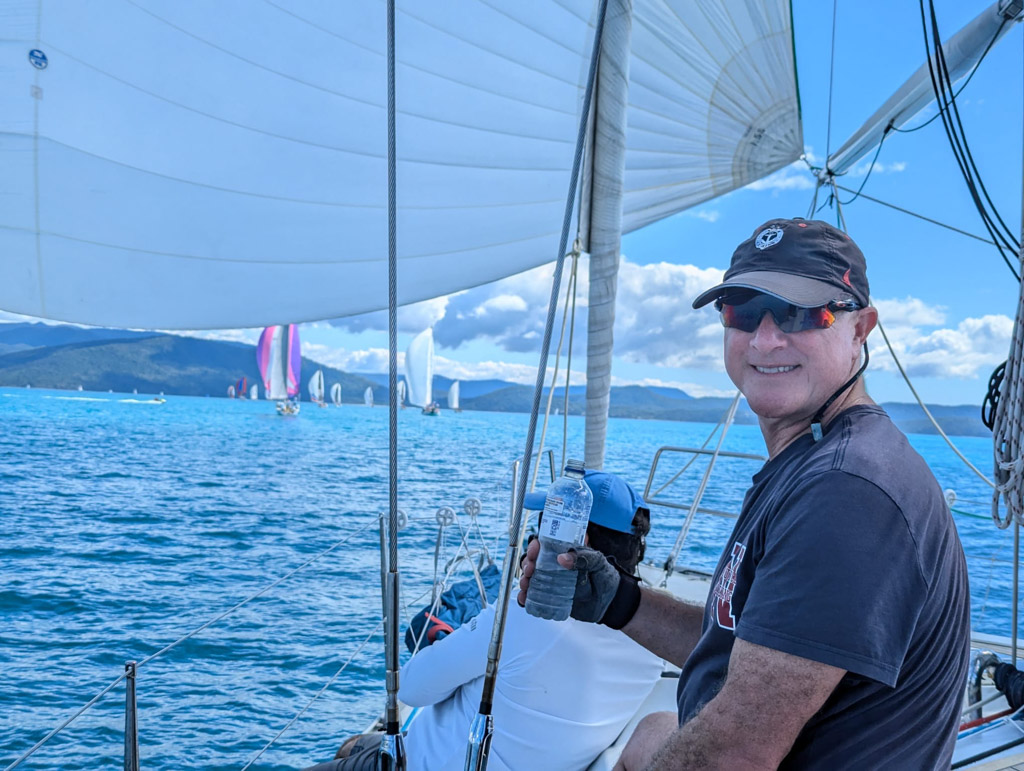
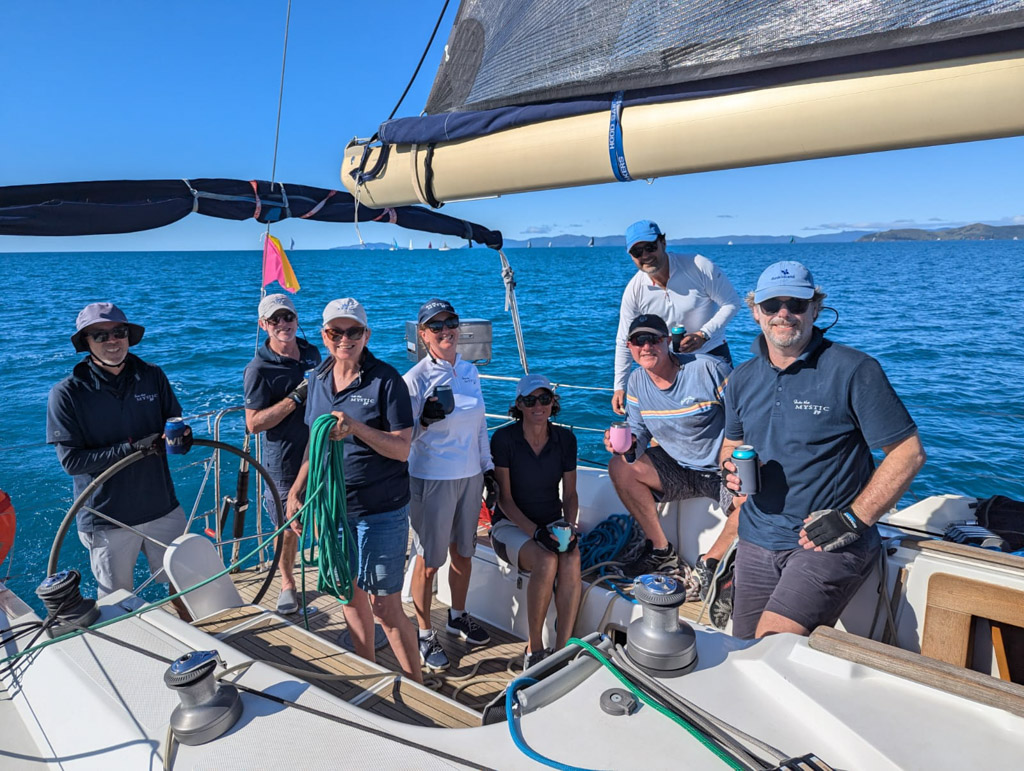
Airlie Beach Race Week is a unique sailing environment because it blends the physical challenge of offshore conditions with the tactical nuances of island sailing. Courses often run through passages where wind shadows, gust gradients and currents collide, meaning no two legs are the same and every shift must be read and acted on quickly.
That week not only strengthened my technical sail handling and boat control in offshore and near-shore conditions, it also deepened my understanding of tidal effects, sail selection strategy across varying conditions.
Blogs

Belle – IY60
Racing offshore on Belle, a 60-foot IY60, was a high-intensity test of big-boat handling. Loads, sail changes, and manoeuvres demanded precision, anticipation, and clear communication. The ORCV Coastal Sprint format sharpened situational awareness, adaptability, and crew coordination, giving valuable experience in managing a large offshore yacht under pressure while maintaining speed and control.
QuiXotic
QuiXotic is a well-sailed X-41, but what stands out most is the crew. Andrew Middleton and the team create a positive, easygoing environment on board, focused on enjoying the racing and sailing well together. It’s a boat where good company and good sailing go hand in hand.
Rushour
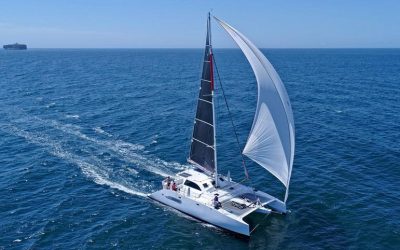
On Rushour, I completed the 430nm Southport to Sydney qualifying passage, involved in all aspects of high-performance multihull sailing. From helming in varied conditions to managing asymmetric spinnaker trim and watch rotations, this experience built the discipline and confidence I carried directly into the Melbourne to Hobart Westcoaster.
Fast Forward – Sydney 38
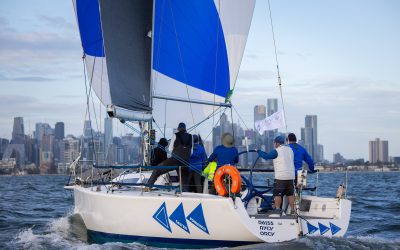
Faster Forward isn’t just a respected Sydney 38; for me, it represents the heart of sailing culture. After the Melbourne to Hobart, I was adopted into this tight-knit team, learning that success is built as much through shared dinners and crew camaraderie as it is through miles on the water.
Alex Team Macadie
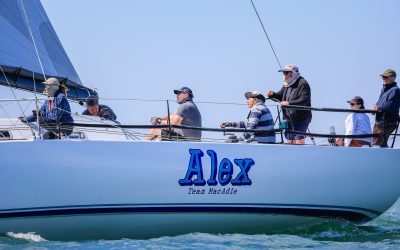
Alex is a boat with a massive reputation, especially for its legendary double-handed feats. Racing with Jock MacAdie provided a firsthand look at how this Hart 14 has stayed competitive for decades. It’s a platform built on grit and offshore history, where the focus is always on high standards and coastal discipline.
Wings
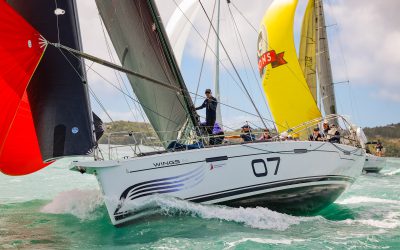
The 1,100nm delivery of Wings from Hamilton Island to Sydney was a lesson in persistence. Most of the trip was spent punched into 18 to 25-knot headwinds and heavy seas. It was a great chance to get some serious hours on the helm at night and see how offshore routing actually works in the real world.
Unprecedented
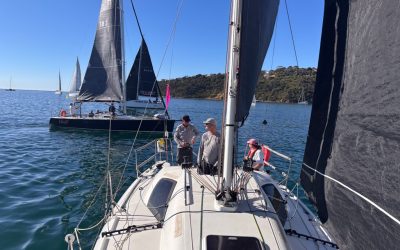
Sailing out of Safety Beach on this modern Jeanneau Sun Fast 3300 was a shift in perspective. Lighter and more responsive than most cruiser-racers, the boat is purpose-built for efficiency. Managing the running backstays and highly loaded rig highlighted the technical precision needed to keep such a performance-focused platform moving at its best.
Hot Chipps
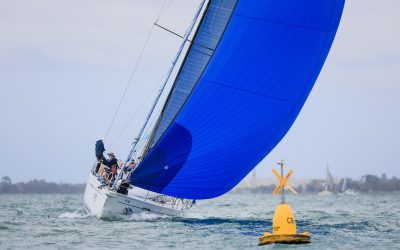
Club racing on Port Phillip Bay provided the perfect introduction to the Dehler 46 platform. Spending time on this versatile yacht was great preparation for a later coastal delivery, offering hands-on experience with its systems and deck layout. Assisting with a new mainsail setup also gave me a more technical look at the boat’s performance beyond just pulling ropes during a race.
Arcadia
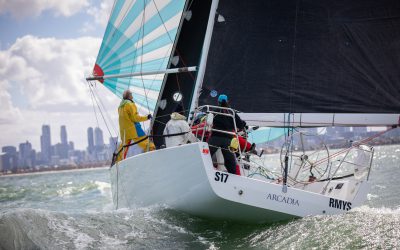
Sailing on this Archambault 40RC across club and ORCV races has been a masterclass in team efficiency. PJ and the crew operate with a calm, quiet precision that makes even complex sail changes look routine. It’s a great environment to observe how a cohesive team relies on clear roles and consistent repetition rather than noise to maintain performance under pressure.
It’s not just sailing
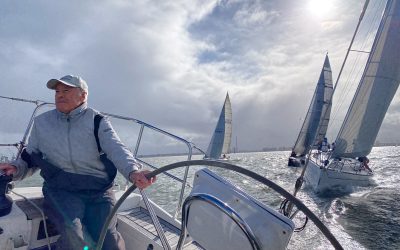
Racing the Dufour 40 near the Yarra River mouth keeps us on our toes. Beyond the technical challenges of Port Phillip Bay, sailing with Peter’s team highlights the social side of the sport. Post-race drinks in the galley are as vital as the racing, cementing the camaraderie that makes club sailing worthwhile.
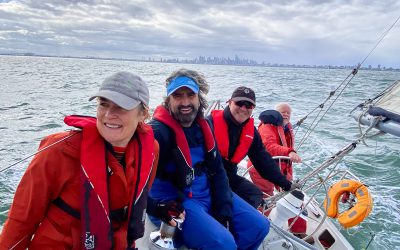
Adams 10.6
Sailing aboard Cloud 10, an Adams 10.6, provided a classic club racing experience out of RMYS. This 35-foot Australian design is a staple of the local fleet, known for its one-design competition. Getting time on this platform was a practical way to broaden my experience across a different style of local yacht.
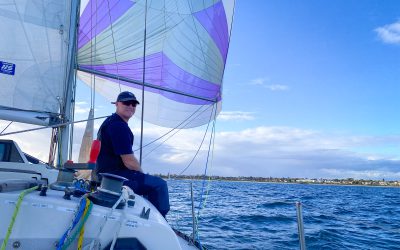
Jarkan 925
Short-course racing at SYC on this 30-foot cruiser-racer. Handling the Jarkan 925 in a tight fleet provided plenty of practice with various spinnaker pole setups and quick sail changes. It was a solid, hands-on way to refine timing and coordination on a more traditional deck layout.