
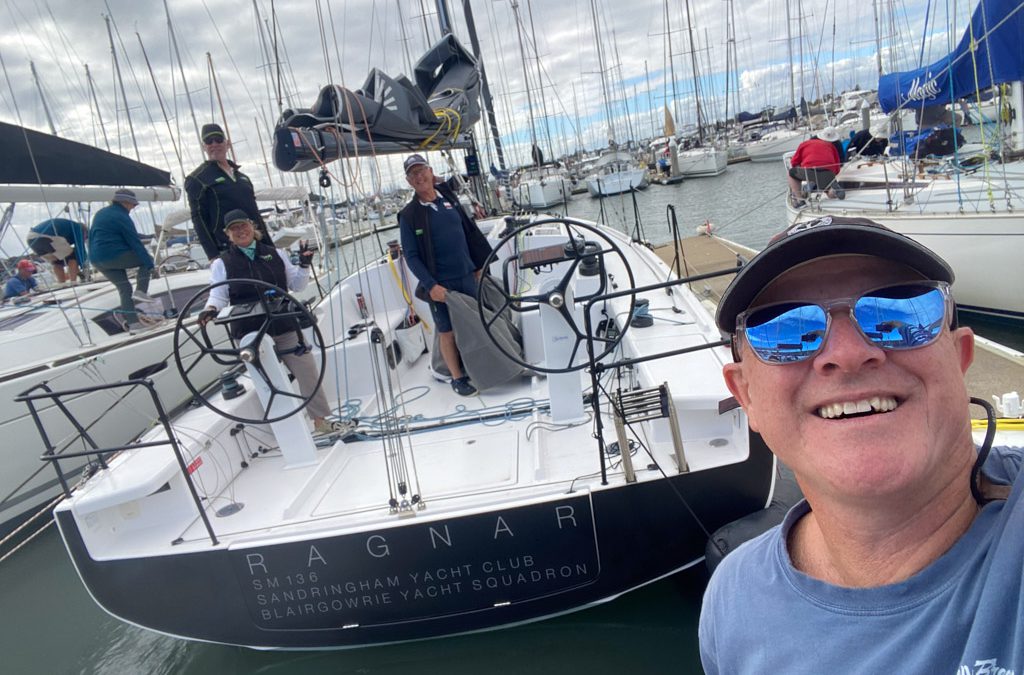
Beneteau First 36
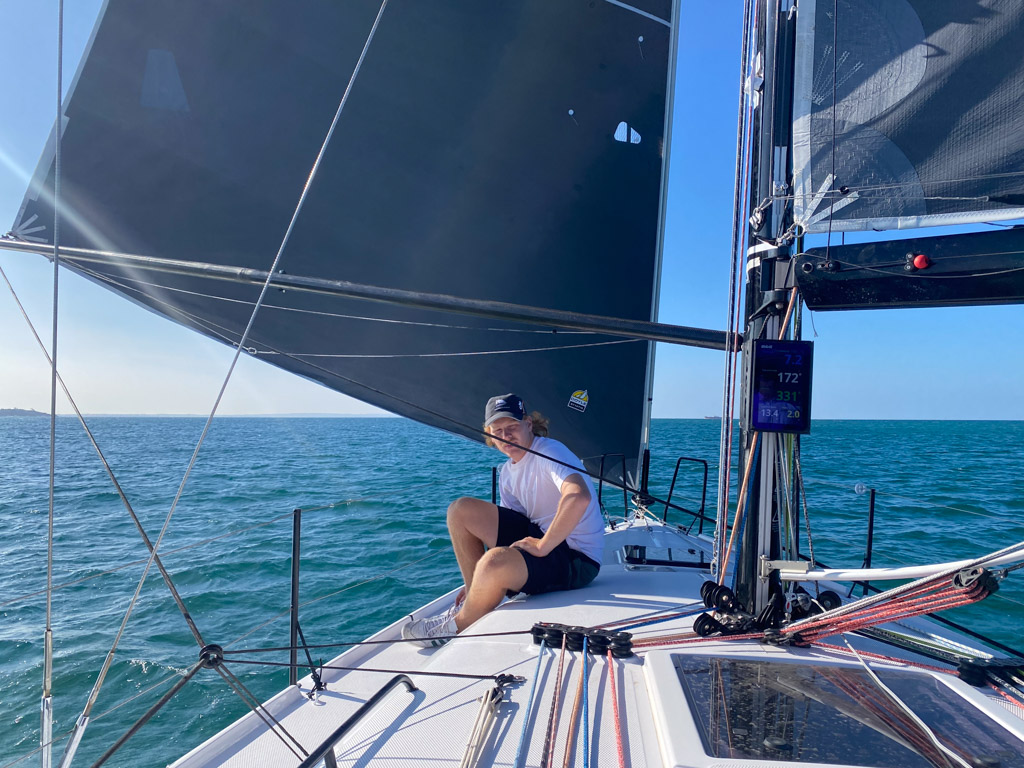
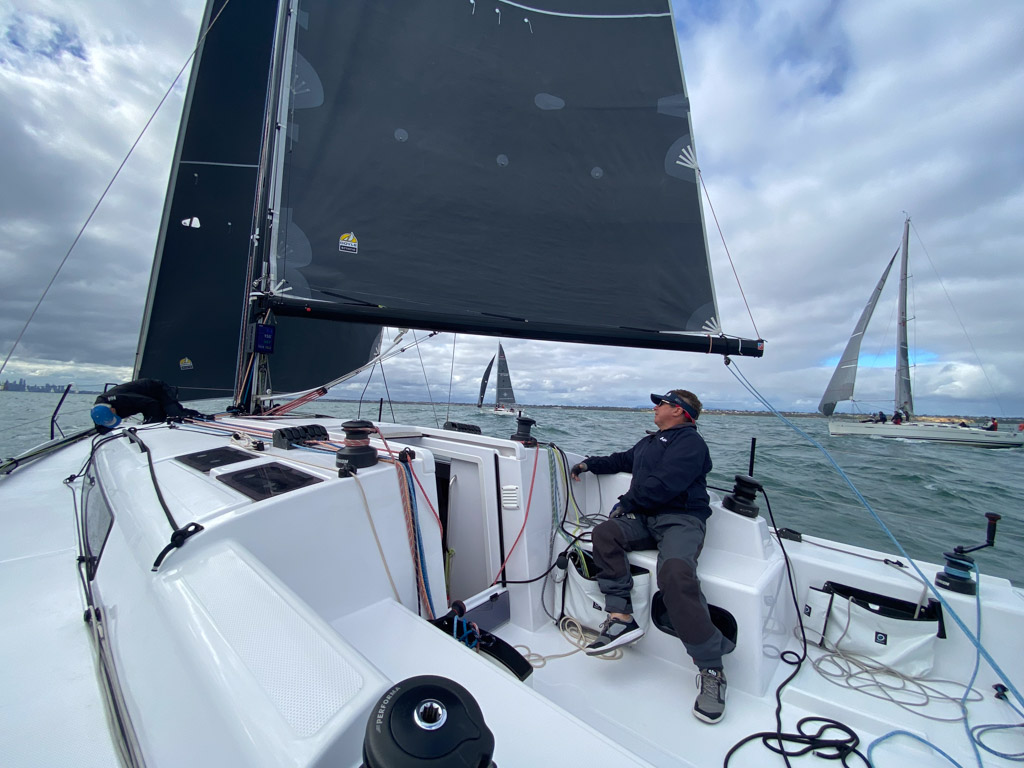
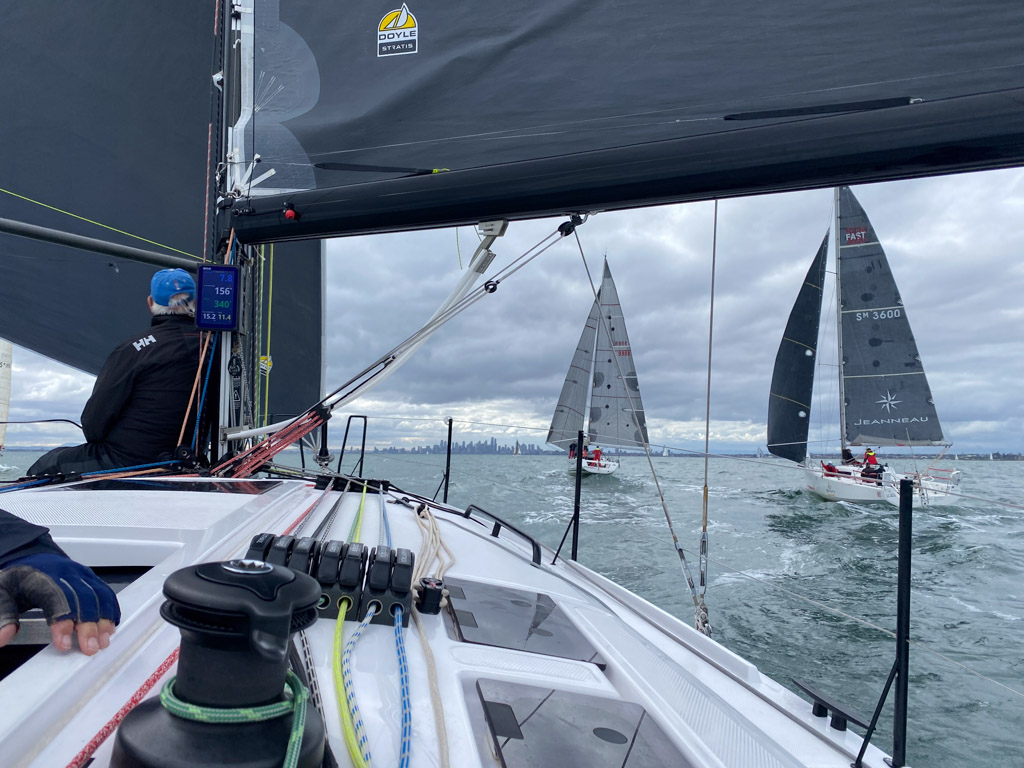
Sailing with Richard and Alice Ekberg – Ragnar (Beneteau First 36)
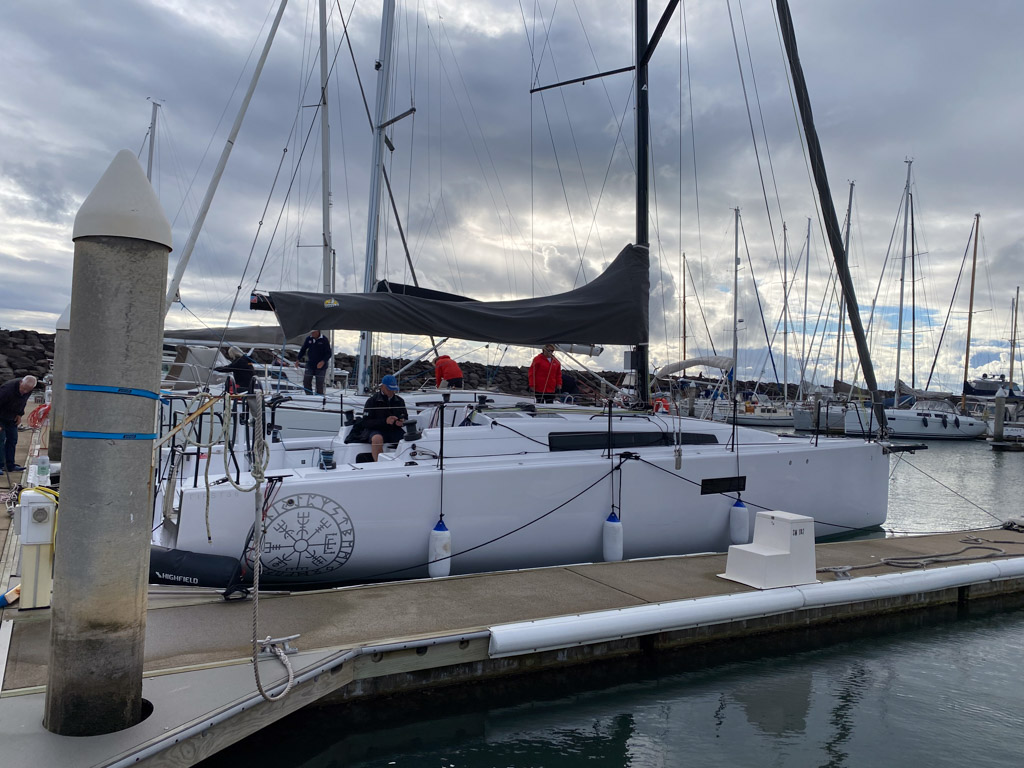
I began sailing with Richard and Alice Ekberg aboard Ragnar during the Blairgowrie Yacht Squadron summer twilight series. This provided a relaxed but competitive environment to become familiar with the yacht and the crew dynamic, racing regularly in local club conditions on Port Phillip.
Following the conclusion of the summer season at Blairgowrie, Richard and Alice relocated Ragnar to Sandringham Yacht Club, where I continued sailing with them through the winter series. This shift introduced a different style of racing, with stronger fleets, more variable weather and colder, heavier conditions that demanded a higher level of consistency and focus on boat handling.
In addition to club racing, we competed together in a number of ORCV races around the bay. These events added a further layer of experience, requiring longer race management, offshore-style preparation and an increased emphasis on navigation, sail changes and crew coordination beyond short-course racing.
Sailing aboard Ragnar was a step change in performance sailing for me. Experiencing sustained double-digit speeds in full control highlighted how modern yacht design, efficient deck layouts and precise steering systems translate directly into confidence, safety and performance—particularly downwind and in fresh conditions. These characteristics encouraged active helming, accurate sail trim and constant communication between helm and trimmers.
The campaign with Richard and Alice offered valuable exposure to different yacht clubs, varied racing formats and a modern approach to both fully crewed and short-handed sailing. It was an enjoyable and highly rewarding experience that strengthened my understanding of contemporary performance yachts, refined my racing instincts, and reinforced the importance of good crew culture across both competitive and social sailing environments.
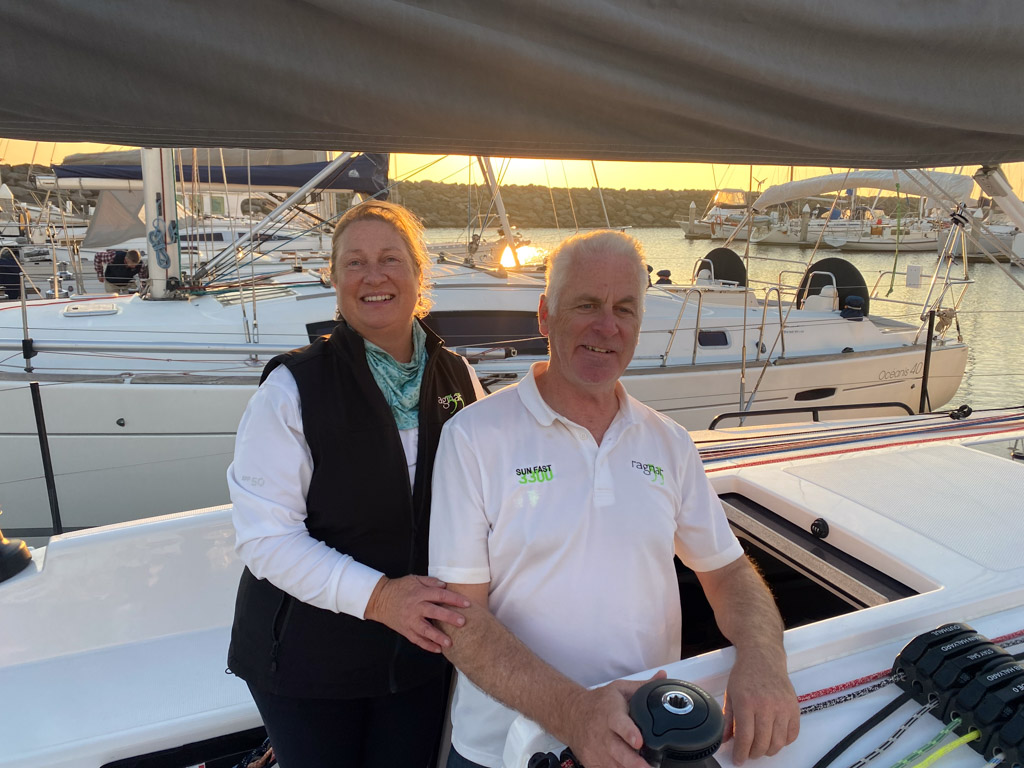
Richard and Alice Ekberg at Sandringham Yacht Club on board there Beneteau First 36




Blogs

Racing 520 Miles North on Clockwork
Shaun McKenna joins the South Australian crew of the Sydney 38 Clockwork for the 520-nautical-mile 2026 Gold Coast to Mackay Yacht Race. Facing 30-knot southerlies, high-speed spinnaker runs, and a severe midnight broach that snapped their steering column, the team executed rapid mid-race repairs to reach Mackay Marina.

Celebrating Legacy and Grit at the 2026 ORCV Awards
Go behind the lens at Sandringham Yacht Club for the 2026 ORCV Annual Awards. This photo-driven retrospective captures the grit and triumphs of the offshore season, celebrating champions like Matt Setton and Nigel Jones while tracing the historic continuity and community defining Victorian ocean racing.
Brass Monkey Winter Pursuit
A thick winter fog at Safety Beach couldn’t stop the Shimmer campaign. With five of eight crew members aboard, the team used Race 4 of the Brass Monkey series to test a new TP52 staysail in light air. A second-place finish secured Shimmer the overall series lead, building critical momentum for the 2026 Rolex Sydney to Hobart.
Smoke, Sparks, and 25 Knots
Before racing the ORCV Winter Series opener, the crew aboard Shimmer stepped onto the swim platform for a spectacular, 25-year-old tradition: a live marine distress flare drill off Sandringham. From orange day smoke to high-altitude rockets and brilliant handheld red pyrotechnics, this vital safety training offered a rare, firsthand look at handling hot emergency ordnance on the water.
Time Out goes north
Follow the delivery of the stunning Hanse 458, Time Out X2, on her maiden winter passage under the new owner John Corrie as it leaves from Martha’s Cove to Bermagui. This coastal adventure captures everything from navigating the Rip and anchoring at Refuge Cove to spectacular encounters with breaching whales along the Australian coast.
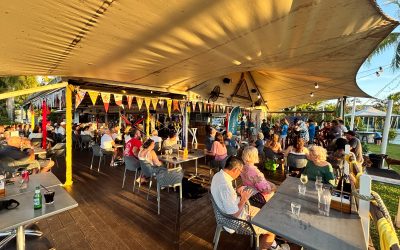
Port Douglas Race Week 2026
Working the bow aboard Y Knot at Port Douglas Race Week 2026, racing for the iconic Clipper Cup on the Coral Sea. Five days of tropical sailing — from glassy Day One conditions to 25 knots of south-east trade wind. Shaun McKenna reports from one of Far North Queensland’s sailing events.
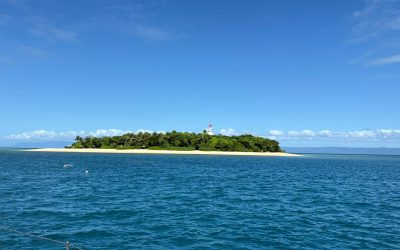
North by Northwest
Pinned in Nelly Bay by the south-east trades, we waited four days before heading north aboard YKnot, a Hanse 430. What followed was 199 nautical miles of downwind sailing — island anchorages, unexpected hospitality at Dunk, a sea turtle at Fitzroy, and a tide-dependent entry into Port Douglas. The difficult days are always worth it.

ORCV Coastal Sprint #3
Sam Backwell’s first ocean race. Six yachts crossing ahead of an inbound cargo ship. Ginan sweeping all three handicap divisions. The third ORCV Coastal Sprint packed a full season’s worth of sailing into 27 nautical miles off the Mornington Peninsula — and Shimmer was right in the thick of it.
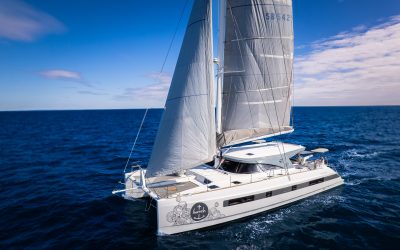
Luxury cruising
Some boats are built for the marina. Others are built to move. Shooting Baruch — a 2019 Nautitech 542 — for Inspire Marine, it was clear from the first frame which one she is. Fast, refined, and strikingly photogenic, she’s a French multihull design that earns its reputation both offshore and at anchor.
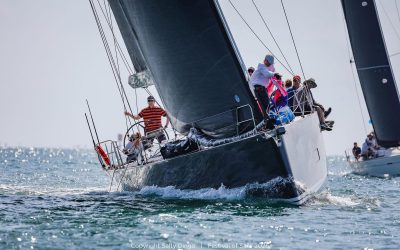
Salt
On Salt, a 2021 Solaris 50, I sailed as bow person with James Marshall and Ian Fankhanel. Festival of Sails 2026 saw us win Division 1, thanks to a skilled team including tactician, navigator, and Peter Dowdney. Aaron Cole added sail expertise, highlighting how experience and teamwork make a high-performance yacht excel.

Shimmer
Shimmer, beautifully maintained by Steve Twentyman, is sailed regularly from Safety Beach Sailing Club. With a versatile sail inventory including J0, Code 0, and asymmetric spinnakers, I’ve gained experience across bow, trimming, and helming roles. Calm leadership and preparation make her a reliable platform for club racing, ORCV coastal events, and Category 2 offshore races.

S2H 2025
White Spirit – 80th Rolex Sydney to Hobart
I completed the 2025 Rolex Sydney to Hobart as 2IC and Navigator aboard White Spirit (Beneteau First 50), skippered by Cyrus Allen. Responsible for routing, weather analysis and sail strategy, I supported the helm and watches through a demanding, multi-system offshore race.