
125

A Product of Its Time
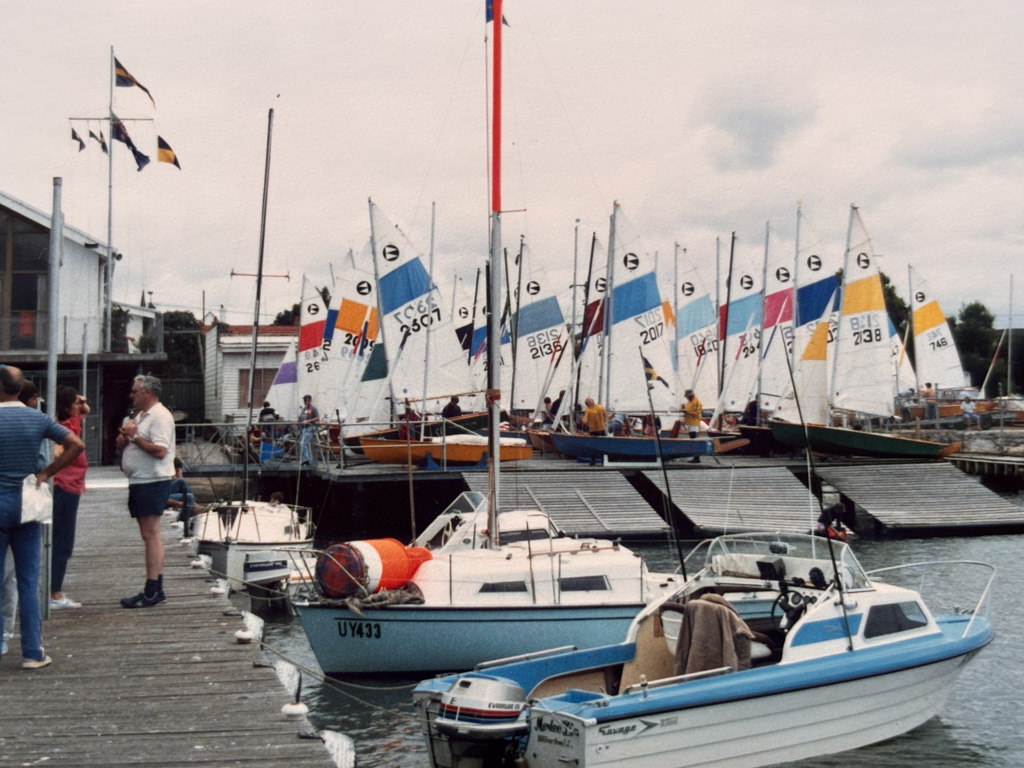
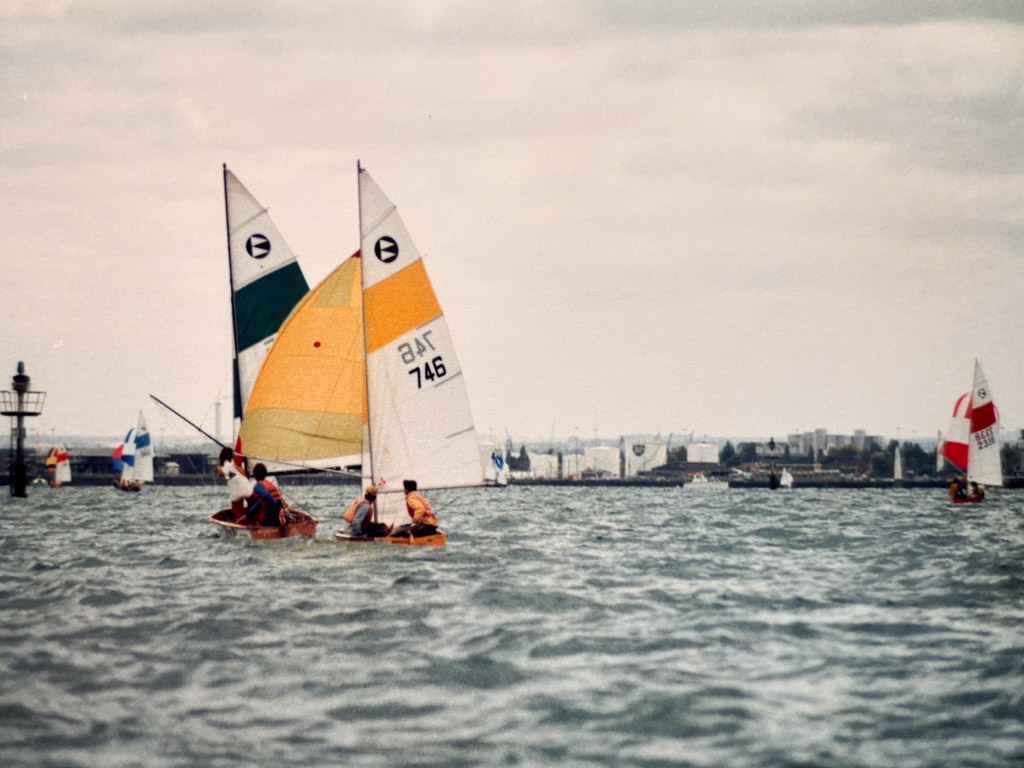
I sailed 125s as a teenager, between the ages of 15 and 18, during a time when the class was at its peak in Australia. Strong fleets, regular state championships, and national titles made every race highly competitive. Skippering and crewing a 125 gave me early experience with spinnakers, trapezes, and tactical decision-making in a two-person team. For many young sailors, including myself, the 125 served as an essential bridge from junior dinghies to more advanced performance classes. The skills and confidence I developed in those years — teamwork, boat handling, and competitive racing instincts — still influence how I sail today.
The 125 dinghy emerged as one of Australia’s most popular intermediate performance classes during the late 20th century, filling the space between junior dinghies and higher-performance skiff and trapeze classes. At 12 feet 6 inches long and sailed by two people with mainsail, jib, spinnaker and trapeze, the 125 offered a genuine taste of high-performance sailing in a compact and accessible package.
During its peak years, the class enjoyed strong national participation, with large fleets and well-supported state and national championships held around Australia. For many sailors, the 125 was a natural progression boat — fast enough to demand precision and teamwork, yet forgiving enough to allow sailors to develop confidence handling asymmetric spinnakers, trapeze work, and apparent-wind sailing.
What made the 125 particularly influential was its role as a training ground. Crews learned the fundamentals of coordination, timing, and communication under pressure, often for the first time. Racing was close, tactical, and physical, rewarding clean boat handling and consistency over brute speed. Many sailors who later moved into skiffs, keelboats, and offshore racing trace their early performance foundations back to time spent in the class.
While the 125 is no longer widely sailed today, its impact on Australian dinghy sailing remains significant. For a generation of sailors, it represented an important step in learning how to race fast boats properly — managing sails, weight, and teamwork in a competitive fleet environment that demanded discipline as much as enthusiasm.